thegoldenadventure.com

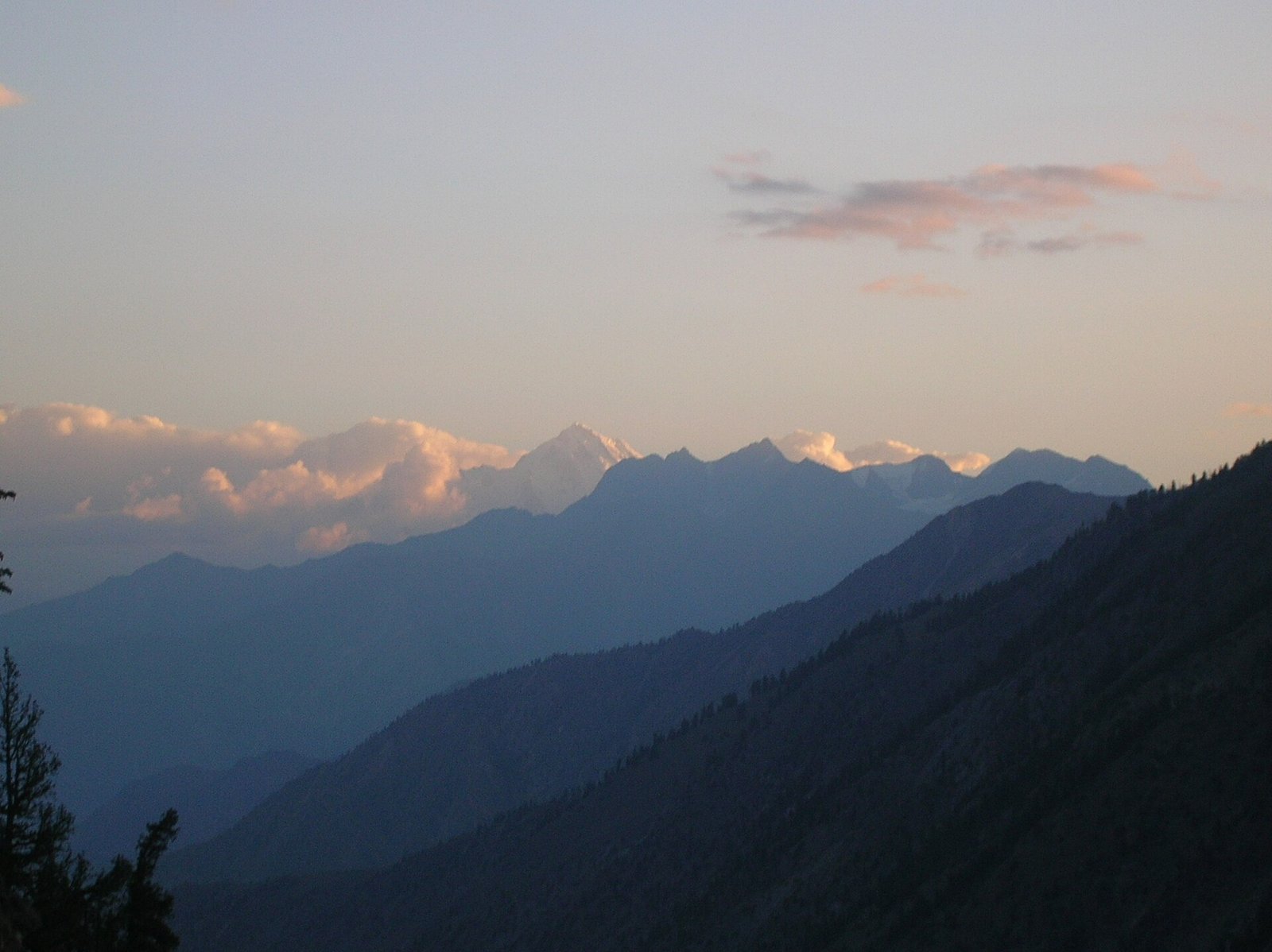
Haramosh peak, the mountain above Haramosh Valley, seen from Nanga Parbat
Destination guide

Haramosh Valley: Kutwal Lake & the Complete Travel Guide

Haramosh Valley climbs from the Indus gorge to Kutwal Lake beneath the 7,409 m Haramosh Peak, a short, rewarding trek only a couple of hours from Gilgit.

Updated October 2026By The Golden Adventure team
Photo: Shackadventures / Wikimedia Commons, CC BY-SA 3.0 (source)

Haramosh Valley at a Glance

Haramosh Valley rises north of the Indus between Gilgit and Skardu. A rough jeep track from Sassi and two days of walking through forest, villages and meadows lead to Kutwal Lake, a glacial lake framed by Haramosh Peak, Laila Peak and Dobani. It is one of the most accessible high-mountain treks in Gilgit-Baltistan.

LocationGilgit District, Gilgit-Baltistan, north of the Indus
AltitudeKutwal Lake roughly 3,260–3,310 m; Haramosh Peak 7,409 m
Best time to visitMay to September
Getting thereDrive to Sassi on the Gilgit–Skardu road, jeep to Dassu, then trek
Top sightsKutwal Lake, Iskere, Kutwal village, Mani Glacier, Haramosh Peak
Known forShort alpine lake trek, forests, 1957 Haramosh expedition

Where Is Haramosh Valley?

The Haramosh Valley sits in Gilgit District on the north bank of the Indus, where the river cuts its deep gorge between Gilgit and Skardu. Its head is guarded by Haramosh Peak (7,409 m), which Wikipedia places about 65 km east of Gilgit in the Rakaposhi-Haramosh Mountains, a subrange of the Karakoram.

The trailhead is Sassi, a village on the Gilgit–Skardu road known for its precious stones. From Sassi a jeep track climbs to the hamlet of Dassu, and from there a footpath continues through Iskere and Kutwal village to Kutwal Lake. The valley’s other neighbours are Bagrot to the west and the long glacier routes towards Baltistan to the east.

History & People of Haramosh Valley

Haramosh villages are small farming communities that grow crops on terraces and take livestock to summer pastures near the lake. Visitors are still relatively few compared with Hunza or Fairy Meadows, and the welcome in places like Iskere and Kutwal reflects that.

In mountaineering history, Haramosh is famous for a tragedy. In 1957 an Oxford University expedition suffered a chain of accidents on the mountain; Bernard Jillott and Rae Culbert died, and John Emery lost his fingers and toes to frostbite. The story is told in Ralph Barker’s book The Last Blue Mountain. A year later, on 4 August 1958, three Austrian climbers made the first ascent via the Haramosh La and the east ridge.

MUST-SEE EXPERIENCES

Top 8 Things to Do in Haramosh Valley

Most visitors come for the lake, but the walk in is half the experience.

  1. 01
    Nature

    Camp beside Kutwal Lake

    The lake sits in a meadow below Haramosh, Laila Peak and Dobani, and on a still morning it reflects the peaks. Wild camping in the meadow is the reason most people make the trip.

  2. 02
    Adventure

    Trek from Dassu through Iskere

    The trail climbs above Dassu and follows a stream through willow and pine to Iskere, the usual first-night camp. The gradient steepens beyond, through forest towards Kutwal village.

  3. 03
    Viewpoint

    Look up at Haramosh Peak

    At 7,409 m, Haramosh is the 67th highest mountain in the world. Its snow-covered faces dominate the upper valley and are visible from the lake.

  4. 04
    Adventure

    Cross the Mani Glacier

    A short stretch of moraine and dirty ice on the Mani Glacier lies between Kutwal village and the lake. It is straightforward with a guide, and the lake is about 45 minutes beyond.

  5. 05
    Culture

    Meet the people of Kutwal village

    Kutwal is a sizeable village close to the lake, where trekking groups can sometimes buy supplies. Buy local produce if offered and ask before taking photographs.

  6. 06
    Nature

    Spot ibex and marmots

    The Gilgit-Baltistan tourism department lists ibex, marmots and summer wildflowers in the valley. Early mornings above the lake are the best time to look.

  7. 07
    Nature

    Walk through birch and pine forest

    Pine and birch woods, waterfalls and streams make this one of the greener treks in the region, in contrast with the bare Indus gorge below.

  8. 08
    History

    Read The Last Blue Mountain before you go

    Ralph Barker’s account of the 1957 expedition makes the mountain above you feel very real. It is one of the classic books of Karakoram climbing.

Best Time to Visit Haramosh Valley

The official Gilgit-Baltistan tourism page recommends May to September, when the weather is more stable, the trail is open and the valley is green. June to August is the most reliable period for camping at the lake. September is quieter and crisp, with cold nights.

From October snow and cold close in, and in winter and early spring the upper valley is subject to snow and avalanches. Monsoon storms in July and August can make the jeep track and stream crossings difficult, so allow a spare day.

How to Get to Haramosh Valley

Fly to Gilgit or Skardu, then drive to Sassi on the Gilgit–Skardu road. From Sassi hire a local jeep for the steep track to Dassu; a Dawn travel writer warned that it should only be driven by experienced local drivers.

StageDistanceTypical time
Gilgit – Sassi (road)Sources vary, about 40–95 kmAbout 1–1.5 hours (GB tourism)
Skardu – Sassi (road)About 150 km3–4 hours
Sassi – Dassu (jeep)–About 75 minutes to 2 hours
Dassu – Iskere (trek)About 10 kmHalf a day
Iskere – Kutwal Lake (trek)About 8 kmMost of a day

Fit trekkers sometimes reach the lake in one long day; the official page quotes 5–7 hours from the road head. Two days up is kinder and safer.

Trek Logistics

Above Dassu everything moves on foot. Horses and local porters can be hired at Sassi, and agreeing loads and daily wages before you set off avoids misunderstandings. A traditional itinerary is four days: Dassu to Iskere, Iskere to Kutwal, back to Iskere and out to Sassi. The trek is rated moderate; you need decent fitness but no technical skills.

Where to Stay

There are no hotels in the upper valley. Organised groups camp at Iskere and at the lake, sometimes using a shared mess tent. Gilgit has the nearest wide range of hotels, and Skardu works as a base if you are coming from Baltistan. A Dawn writer found Iskere crowded and littered on a busy weekend, so pick quiet pitches and carry all rubbish out.

Suggested Itineraries

4 days from Gilgit

Day 1 drive to Sassi, jeep to Dassu, trek to Iskere. Day 2 trek to Kutwal Lake and camp. Day 3 descend to Iskere. Day 4 walk out to Sassi and drive to Gilgit.

5 days with a rest day

Add a full day at the lake for photography and short walks towards the glaciers.

Combined Gilgit trekking week

Pair Kutwal with a few days in the Bagrot Valley or Hunza for a varied week in the mountains around Gilgit.

What to Pack

  • Tent, sleeping mat and a bag rated to about -5°C
  • Trekking boots and poles for steep forest sections
  • Warm layers and a waterproof jacket
  • Sun protection: hat, sunglasses, sunscreen
  • Water filter or purification tablets
  • Rubbish bags to carry out all waste
  • Cash for jeeps, porters and horses

Combine Haramosh Valley with Nearby Destinations

Because Sassi is on the Gilgit–Skardu road, Kutwal slots neatly between the two regions. Continue east to Skardu and Deosai, or west to Gilgit and up the Karakoram Highway to Hunza. Bagrot, whose last village Sath Gasunar is a starting point for routes towards the valley, is another natural partner.

Culture & Etiquette

Villages in the valley are conservative Muslim communities. Dress modestly, keep your distance from women unless invited, and ask before photographing homes or people. Swimming in the lake is possible, but be discreet. Respect porters’ and horsemen’s fees, and do not leave food scraps for animals.

Practical Travel Tips for Haramosh Valley

Safety and travel advice

The US State Department rates Pakistan overall at Level 3, Reconsider Travel; Gilgit-Baltistan has no separate higher warning. The UK FCDO advises against all travel on the Karakoram Highway between Mansehra and Chilas, so we fly clients to Gilgit or Skardu. See the FCDO page for the latest.

Mountain hazards

The real risks here are the jeep track, river crossings, rockfall and sudden weather. Read our altitude sickness guide; the lake is not very high, but symptoms can still appear in people who fly in and trek the next day.

Permits, money and signal

No special trekking permit is generally required for Kutwal Lake, but carry your passport for checkpoints. Bring cash from Gilgit or Skardu, and expect no mobile signal for most of the trek.

HARAMOSH VALLEY TRAVEL

Haramosh Valley Highlights at a Glance

Kutwal Lake is the reason most people visit Haramosh Valley: a high meadow lake under one of the Karakoram’s great peaks, reached in two days from the road.

It suits first-time trekkers in Pakistan who want a proper wilderness camp without a two-week expedition, and it fits easily between Gilgit and Skardu.

The Gilgit-Baltistan tourism department has an official overview of the lake and route.

Plan your Haramosh Valley trip

Haramosh Valley Tours with The Golden Adventure

We arrange private Kutwal Lake treks from Gilgit with jeeps, a guide, porters and camping. If you would like another short trek in the same trip, see our Rakaposhi Base Camp trek or the higher Rush Lake trek, or browse all our trekking tours.

Plan your Kutwal Lake trek

Tell us your dates and interests and our team in Gilgit will design a private trip and send your free Letter of Invitation.

Haramosh Valley FAQs

Where is Kutwal Lake?

Kutwal Lake is in Haramosh Valley, Gilgit District, Gilgit-Baltistan, at the foot of Haramosh Peak, Laila Peak and Dobani. The trek starts from Sassi on the Gilgit–Skardu road.

How long is the Kutwal Lake trek?

Most people take four days return from Sassi: jeep to Dassu, then a night at Iskere and a night at the lake. Fit walkers can reach the lake in one long day.

How hard is the trek?

It is rated moderate. Paths are steep in places and cross a short section of glacier, but no technical skills are needed.

Is Haramosh Valley safe for foreigners?

Gilgit-Baltistan has no separate higher warning from the US State Department, which rates Pakistan as Level 3 overall. The main risks are the jeep track, weather and mountain terrain. Check US and UK advice and trek with a local team.

When should I go?

May to September. June to August is the most reliable time for camping at the lake.

Do I need a permit?

A special trekking permit is generally not needed for Kutwal Lake, but rules can change. Carry your passport and ask us for current requirements.

What is the altitude of Kutwal Lake?

Sources give roughly 3,260–3,310 m. Haramosh Peak above it reaches 7,409 m.

TGA AI AssistantOnline · usually replies in seconds
AI can make mistakes. Please don't share personal, passport or card details.