
thegoldenadventure.com

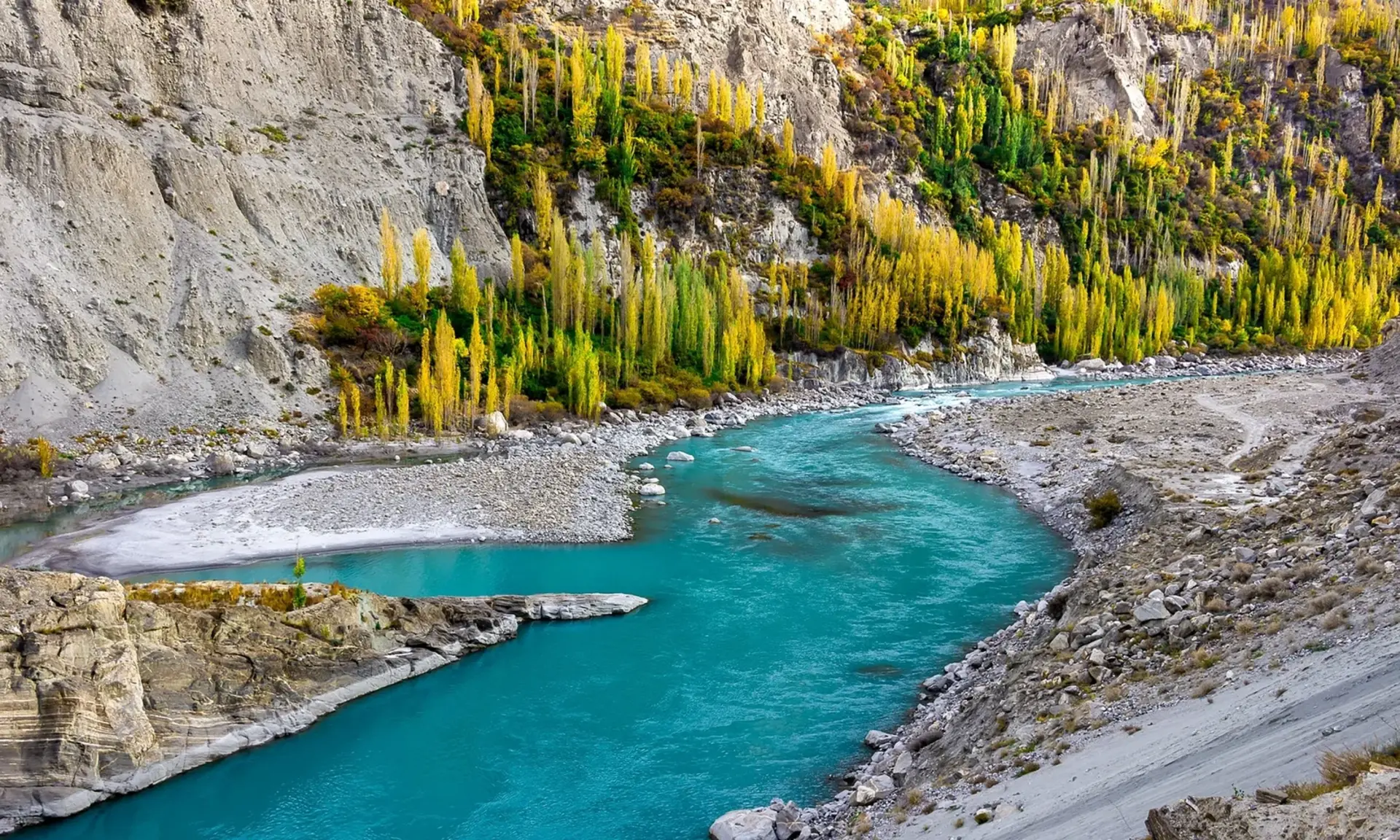
The Hunza River winding past golden autumn poplars in Hunza Valley, Pakistan
Destination guide

Hunza Valley, Pakistan: The Complete Travel Guide

Everything you need to plan a trip to Hunza: top things to do, the best time to visit, how to get there, where to stay.

Updated October 2026By The Golden Adventure, Gilgit

Hunza Valley at a Glance

Hunza Valley is a high mountain valley in Gilgit-Baltistan, northern Pakistan, famous for its snow-capped peaks, centuries-old forts, turquoise Attabad Lake and some of the most spectacular views on the Karakoram Highway. Its main town, Karimabad, faces the 7,788-metre Rakaposhi and is the perfect base to explore the valley.

LocationGilgit-Baltistan, northern Pakistan
Main townKarimabad (approx. 2,500 m)
Best time to visitApril – October
Getting thereFly to Gilgit or drive the KKH
Top sightsBaltit Fort, Attabad Lake, Passu Cones
Highest pointKhunjerab Pass, 4,693 m

Where Is Hunza Valley?

Hunza Valley lies along the Hunza River in Gilgit-Baltistan, in the far north of Pakistan. The famous Karakoram Highway (KKH) runs through the valley, linking Gilgit in the south with the Khunjerab Pass on the Chinese border in the north.

The valley is often divided into three parts. Lower Hunza lies around Aliabad and Nasirabad. Central Hunza is home to Karimabad, Altit and Baltit, with views of Rakaposhi, Ultar Sar and Ladyfinger Peak. Upper Hunza, also called Gojal, stretches from Attabad Lake past Gulmit, Passu and Sost to the Khunjerab Pass, a land of glaciers, jagged peaks and apricot orchards. Across the river lies the Nagar Valley, starting point of our Rakaposhi Base Camp Trek.

History & People of Hunza

For centuries Hunza was a small independent princely state ruled by the Mirs of Hunza from their forts at Altit and Baltit, on an important branch of the ancient Silk Road between Central Asia and South Asia. The Mirs' rule ended with the reforms of 1974, and the old village below Baltit was renamed Karimabad in 1976.

Today Hunza is known for its friendly, welcoming people. Several languages are spoken in the valley, including Burushaski in central Hunza, Wakhi in Upper Hunza (Gojal) and Shina in the lower valley, and Urdu is widely understood. Local organisations have worked for decades on restoring historic buildings and preserving traditional crafts, which is why Hunza's forts and old villages are so well kept.

The landscape is shaped by the meeting of great mountain ranges, with peaks such as Rakaposhi (7,788 m) and Ultar Sar towering over the valley. Villagers have farmed these steep slopes for centuries using stone terraces and long irrigation channels fed by glacier meltwater, which is why Hunza's fields and orchards look so green against the bare mountains.

MUST-SEE EXPERIENCES

Top 15 Things to Do in Hunza Valley

From centuries-old forts to turquoise lakes and glaciers, these are the experiences you should not miss in Hunza.

  1. 01
    Heritage

    Baltit Fort

    The symbol of Hunza. Perched above Karimabad, this fort was the seat of the Mirs who ruled Hunza for centuries. After the Mirs moved out in 1945 it began to decay, until the Aga Khan Trust for Culture restored it; the work was completed in 1996 and the fort is now a museum run by the Baltit Heritage Trust. The restoration won a UNESCO Asia-Pacific Heritage Award in 2004, and the fort is on UNESCO's World Heritage Tentative List. Take a guided tour and enjoy the view over the whole valley from the roof. Tip: visit in the morning before tour groups arrive, and allow about an hour for the guided tour.

  2. 02
    Heritage

    Altit Fort

    Older than Baltit, Altit Fort stands on a cliff high above the Hunza River in the village of Altit, a short drive from Karimabad. It was restored by the Aga Khan Trust for Culture with support from Norway and received the UNESCO Asia-Pacific Award of Distinction in 2011. Walk through the old village lanes around the fort. Tip: combine it with a walk through Altit village down to the river viewpoint.

  3. 03
    Culture

    Karimabad bazaar and old village

    Wander the steep main street of Karimabad for gemstones, handwoven textiles, dried apricots, walnuts and local handicrafts, then climb into the old stone village around Baltit Fort, with its terraced fields and water channels.

  4. 04
    Viewpoint

    Eagle's Nest (Duikar) viewpoint

    Above Altit, the Eagle's Nest viewpoint at Duikar is famous for sunrise and sunset over Rakaposhi, Ultar Sar, Ladyfinger Peak, Golden Peak (Spantik) and the whole valley below. Stay overnight to see the peaks glow at dawn.

  5. 05
    Nature

    Attabad Lake

    This turquoise lake was born from disaster: on 4 January 2010, a landslide at Attabad village blocked the Hunza River, and the lake grew to about 21 km long, submerging part of the Karakoram Highway. Today you drive through tunnels along its shore and can take a boat ride on its bright blue water. Tip: the water is at its brightest turquoise on sunny days in spring and summer; take a short boat ride and stop at a lakeside café.

  6. 06
    Adventure

    Hussaini Suspension Bridge

    One of the most photographed bridges in the world: a long, swaying span of wooden planks and cables over the Hunza River near Hussaini village, with the Passu Cones rising behind it. Walking across is a must for brave visitors. Tip: go early in the morning when it is less windy, wear shoes with good grip, and cross one person at a time.

  7. 07
    Nature

    Passu Cones (Passu Cathedral)

    The jagged spires of Tupopdan, known as the Passu Cones or Passu Cathedral, are one of the most iconic sights on the Karakoram Highway, especially in the golden light of sunrise and sunset. Tip: the best photos are from the Karakoram Highway just south of Passu village, or from the Hussaini Bridge.

  8. 08
    Adventure

    Passu and Batura glaciers

    Upper Hunza is surrounded by huge glaciers. Short walks near Passu take you to viewpoints over the Passu Glacier, and longer treks lead onto the Batura Glacier, one of the longest glaciers outside the polar regions.

  9. 09
    Nature

    Borith Lake

    A quiet lake above Husseini and Passu, popular with birds in season and a peaceful place for a walk, with views of the surrounding peaks and glaciers.

  10. 10
    Culture

    Gulmit village

    The traditional heart of Gojal (Upper Hunza), with old houses, a small cultural museum, apricot orchards and views of the Passu Cones. A great base to explore Upper Hunza at a slower pace.

  11. 11
    Adventure

    Khunjerab Pass and National Park

    At 4,693 metres, the Khunjerab Pass on the Pakistan–China border is often called the highest paved border crossing in the world. The drive takes you through Khunjerab National Park, created to protect wildlife such as the Marco Polo sheep; with luck you may spot ibex and marmots. The pass is open seasonally, so check dates before you plan. Tip: carry your passport for the checkpoints, bring warm clothes even in summer, and do not rush at the top because of the altitude.

  12. 12
    Nature

    Rakaposhi viewpoint and Base Camp

    On the way to Hunza, the Rakaposhi viewpoint offers a famous close-up of Rakaposhi (7,788 m). For the full experience, join our Rakaposhi Base Camp Trek from Minapin in the Nagar Valley, right next to Hunza.

  13. 13
    Season

    Cherry blossom season

    In spring, usually around early April, the valley turns white and pink with cherry and apricot blossom, set against snowy peaks. It is one of the most beautiful times to photograph Hunza.

  14. 14
    Season

    Autumn colours

    From late October to early November, poplar and fruit trees turn gold, orange and red. Many photographers say this is Hunza at its very best.

  15. 15
    Food

    Local food

    Try Hunza's traditional dishes such as chapshoro (a meat-filled bread), apricot soups and desserts, walnut cake and fresh apricots and cherries in summer. Many small cafés in Karimabad serve local food with mountain views. Hunza is especially known for its apricots, eaten fresh in summer and dried all year, as well as apricot oil and walnuts, which make great souvenirs.

Best Time to Visit Hunza Valley

Hunza can be visited all year, but each season has a very different character:

SeasonMonthsWhat to expect
SpringMarch – MayCherry and apricot blossom (around early April), fresh green fields, cool nights.
SummerJune – AugustWarm days and the busiest season; best for treks, glaciers and the Khunjerab Pass.
AutumnSeptember – NovemberClear skies, harvest time, and golden autumn colours from late October.
WinterDecember – FebruaryCold and quiet, with snow and frozen lakes; some high roads and passes close.

Hunza in winter: from December to February, temperatures drop well below freezing, especially at night, and Attabad Lake and Borith Lake can partly freeze. It is a quiet, magical time for snow photography and local life, but some hotels close and the Khunjerab Pass is shut, so plan carefully with a local operator.

Our tip: for blossoms come in early April, for treks and the Khunjerab Pass come in summer, and for photography come in late October. Check our autumn tours for the golden season.

How to Get to Hunza Valley

Hunza is reached from Islamabad, the main international gateway to northern Pakistan.

RouteHowApprox. time
By airFly Islamabad to Gilgit, then drive about 100 km up the Karakoram Highway to Karimabad.About 1 hour flight + 2–3 hours drive
By road (KKH)Drive the Karakoram Highway from Islamabad through Besham, Chilas and Gilgit.About 2 days, with a night in Chilas or Besham
By road (Babusar)In summer, drive through the Kaghan Valley and over the Babusar Pass to Chilas, then on to Hunza.About 2 days; pass open in summer only

Flights to Gilgit depend on the weather and are sometimes cancelled at short notice. Always build a spare day into your plans, and travel by road with an experienced local driver. Foreign visitors pass police checkpoints along the KKH, so keep copies of your passport and visa handy. Read our Pakistan Visa Guide before you travel.

Getting Around Hunza

The easiest way to explore Hunza is with a private car or jeep and a local driver, which lets you stop at viewpoints and reach places like Eagle's Nest, Borith Lake and the Khunjerab Pass. Within Karimabad, the old village and forts are best explored on foot. For remote valleys and glacier areas, 4x4 jeeps are used. With TGA, all transport, drivers and guides are arranged for you.

Where to Stay in Hunza

  • Karimabad: the most popular base, close to Baltit Fort, cafés and shops, with views of Rakaposhi.
  • Altit and Eagle's Nest: quieter, with some of the best sunrise and sunset views in the valley.
  • Aliabad: on the Karakoram Highway, convenient for transport and services.
  • Gulmit and Passu: ideal for exploring Upper Hunza, the Passu Cones and glaciers in a peaceful setting.

Accommodation ranges from family-run guesthouses to comfortable hotels with mountain views. Book early for cherry blossom season, summer holidays and autumn.

Suggested Hunza Itineraries

3 days in Hunza

  • Day 1: Arrive in Karimabad, visit Baltit Fort and the old village, sunset at a viewpoint.
  • Day 2: Altit Fort and Royal Garden, then sunrise or sunset at the Eagle's Nest.
  • Day 3: Attabad Lake, Hussaini Bridge and Passu Cones on the way up the valley.

5 days in Hunza

  • Days 1–3 as above, plus:
  • Day 4: Drive to the Khunjerab Pass and Khunjerab National Park (in season).
  • Day 5: Gulmit village, Borith Lake and a glacier viewpoint near Passu.

7+ days: Hunza and beyond

Add a trek such as Rakaposhi Base Camp in the neighbouring Nagar Valley, combine Hunza with Fairy Meadows and Nanga Parbat, or plan an autumn colours tour or jeep safari. We can build a tailor-made itinerary around your dates.

Hunza Valley Photography Guide

Hunza is a dream for photographers. These are some of the best spots and times:

  • Sunrise on Rakaposhi: from Karimabad or Eagle's Nest, when the first light turns the snow pink and gold.
  • Baltit Fort from below: the fort framed by poplar trees and Ultar Sar behind, especially in autumn.
  • Attabad Lake: late morning on a clear day, when the turquoise colour is strongest.
  • Passu Cones: golden hour from the Karakoram Highway or the Hussaini Bridge.
  • Blossom and autumn: early April for white and pink blossom, late October for gold and red leaves.
  • Night sky: on clear, moonless nights, Hunza's high altitude and low light pollution make for excellent star photography.

Always ask before photographing people, and be careful when flying drones near forts, border areas and military checkpoints, where drones may not be allowed.

What to Pack for Hunza

  • Layers: T-shirts for warm days, plus a fleece and a warm jacket for evenings and high places like the Khunjerab Pass.
  • Good walking shoes for steep village lanes, viewpoints and the Hussaini Bridge.
  • Sun protection: sunglasses, sunscreen and a hat; the sun is strong at altitude.
  • Modest clothing that covers shoulders and knees.
  • Power bank and adaptor, as power cuts can happen.
  • Basic medicines and any personal prescriptions.
  • Copies of your passport and visa for checkpoints.

Combine Hunza with Nearby Destinations

Hunza is easy to combine with other highlights of northern Pakistan:

Browse all our tours in Pakistan or plan a custom trip that combines several valleys.

Culture & Etiquette

  • Dress modestly: cover shoulders and knees, especially in villages.
  • Ask before photographing people, particularly women.
  • Respect local customs and religious sites, and follow your guide's advice.
  • Leave no trace: carry your rubbish back with you and avoid single-use plastic.
  • Support local: buy handicrafts and dried fruit directly from local shops and producers.

Practical Travel Tips for Hunza

  • Altitude: Karimabad is about 2,500 m and the Khunjerab Pass is 4,693 m. Go slowly, drink water, and spend some days in the valley before going higher.
  • Cash: carry enough Pakistani rupees; ATMs are limited and may not accept foreign cards.
  • SIM card: buy a local SIM in Islamabad or Gilgit; signal is good in main towns and weaker in remote areas.
  • Weather: pack layers. Summer days are warm but nights are cool, and higher areas can be cold at any time.
  • Insurance: we recommend travel insurance for all trips; see our Travel Insurance Policy.
HUNZA highlights

Hunza Valley Highlights at a Glance

If you only have a few days in the Hunza Valley, focus on three things: the forts of Karimabad, the lakes and glaciers of Upper Hunza, and a sunset view of Rakaposhi. Baltit and Altit forts tell the story of the old kingdom, while Attabad Lake, the Passu Cones and the Hussaini Bridge show off the valley's wild side.

With a week, you can add the Khunjerab Pass, a hike to the Passu or Batura glaciers, and slow mornings in the orchards. Many travellers combine the Hunza Valley with Skardu or Fairy Meadows, and trekkers often start the Rakaposhi Base Camp Trek from Minapin, just across the river in Nagar.

Spring blossom and autumn colours are the most photogenic times to visit the Hunza Valley; see our guide to the best time to visit Pakistan. For restoration history of the forts, the Aga Khan Trust for Culture is a great read. When you are ready, our team can build a private Hunza Valley trip around your dates.

Plan your Hunza Valley trip

Hunza Tours with The Golden Adventure

Our team is based in Gilgit, the gateway to Hunza, and knows the valley first-hand. Whether you want a relaxed cultural trip, a photography tour in autumn, a jeep safari to the Khunjerab Pass or a trek like Rakaposhi Base Camp, we plan every detail, from your Letter of Invitation and visa support to hotels, transport and guides.

Plan your Hunza trip

Tell us your dates and interests, and we will send you a tailor-made Hunza itinerary and a clear quote. When you book a tour with us, your Letter of Invitation and visa application service are free.

Hunza Valley FAQs

Where is Hunza Valley?

Hunza Valley is in Gilgit-Baltistan, in the far north of Pakistan, along the Karakoram Highway between Gilgit and the Khunjerab Pass on the border with China. Its main town is Karimabad.

What is the best time to visit Hunza Valley?

The best time is from April to October. Visit in early April for cherry blossom, June to August for treks and the Khunjerab Pass, and late October to early November for autumn colours.

How do I get to Hunza from Islamabad?

You can fly from Islamabad to Gilgit, which takes about an hour, and then drive about 2–3 hours to Karimabad. By road, the Karakoram Highway takes around two days with an overnight stop.

How many days do I need in Hunza?

Plan at least 3 days to see Karimabad, Baltit and Altit forts and Attabad Lake, and 5 days or more to include the Passu Cones, Upper Hunza and the Khunjerab Pass.

Do I need a permit to visit Hunza?

No special permit is needed for Hunza Valley. Foreigners need a valid Pakistan visa and will pass police checkpoints along the Karakoram Highway. See our Pakistan Visa Guide for details.

Is Hunza Valley safe for tourists?

Hunza is one of the most visited areas of Pakistan and is known for its welcoming people. As anywhere in the mountains, check road and weather conditions, travel with a reliable local operator and follow local advice.

How high is Hunza Valley?

Karimabad lies at roughly 2,500 metres above sea level. The Khunjerab Pass, at the top of Hunza, is 4,693 metres.

When does the Khunjerab Pass open?

The Khunjerab Pass is open seasonally, usually from spring to late autumn, and closed in winter. Opening dates are set each year, so check before you travel.

What is Hunza famous for?

Hunza is famous for its dramatic mountain scenery, including Rakaposhi and the Passu Cones, its historic Baltit and Altit forts, the turquoise Attabad Lake, its apricots and blossoms, and the warm hospitality of its people.

Is there mobile internet in Hunza?

Mobile signal and internet are available in Karimabad and most villages along the Karakoram Highway, though coverage is weaker in remote valleys and near the border.

Are there ATMs in Hunza?

There are a few ATMs in Karimabad and Aliabad, but they can run out of cash or not accept foreign cards. Carry enough Pakistani rupees from Islamabad or Gilgit.

Can I do day trips from Hunza?

Yes. Popular day trips from Karimabad include Attabad Lake, the Hussaini Bridge and Passu Cones, Borith Lake, and the Khunjerab Pass in season. The Nagar Valley, across the river, is also easy to visit for a day.

Is Hunza good for families?

Yes. Hunza is popular with families thanks to its short walks, forts, lakes and boat rides. Choose comfortable hotels in Karimabad or Aliabad and plan shorter driving days for children.

What languages are spoken in Hunza?

The main local languages are Burushaski, Wakhi and Shina, and Urdu is widely understood. Many people working in tourism also speak English.

Do I need a guide in Hunza?

You do not need a guide to visit Hunza, but a local guide and driver make the trip much easier and safer, especially for mountain roads, the Khunjerab Pass and treks. They also share the history and stories behind each place.

Can I visit Hunza in winter?

Yes. Winter in Hunza is cold and quiet, with snow-covered peaks and sometimes frozen lakes. Some high roads and the Khunjerab Pass close, so plan with a local operator.

Last updated: October 2026. Road, weather and border conditions in the mountains can change, so always check the latest information before you travel.

TGA AI AssistantOnline · usually replies in seconds
AI can make mistakes. Please don't share personal, passport or card details.