thegoldenadventure.com

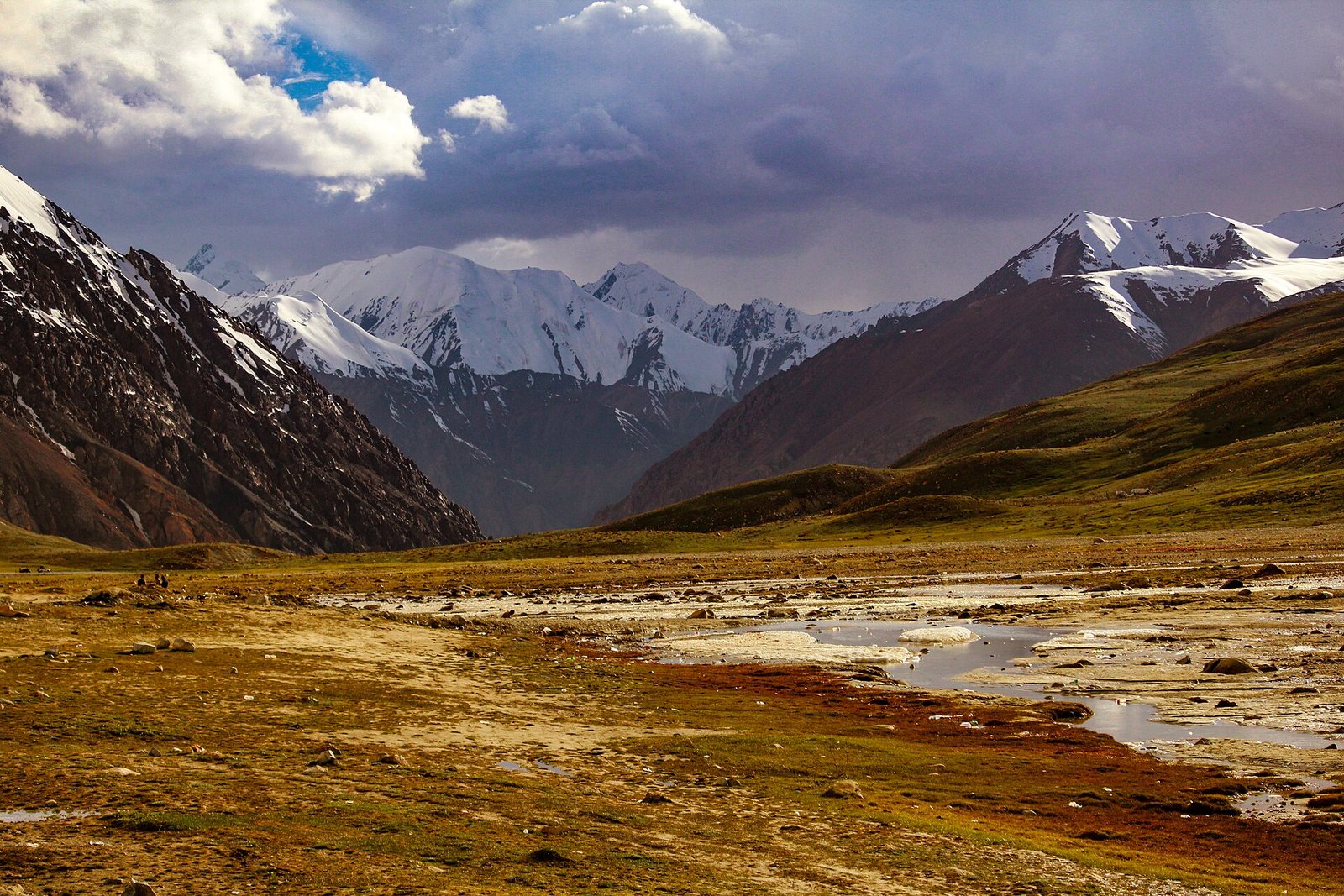
Khunjerab National Park: high-altitude grassland below snowy peaks
Destination guide

Khunjerab National Park: The Complete Travel Guide

Khunjerab National Park guards the last stretch of the Karakoram Highway before China: a high, wind-scoured world of snow leopards, ibex and marmots, crossed by the Karakoram Highway on its way to the 4,693 m Khunjerab Pass.

Updated October 2026By The Golden Adventure team
Photo: Gecksproduction / Wikimedia Commons, CC BY-SA 4.0 (source)

Khunjerab National Park at a Glance

Khunjerab National Park protects about 2,269 km² of high mountains on the Pakistan–China border in Upper Hunza. It was created in 1975 to protect the Marco Polo sheep and is today best known for snow leopards, Himalayan ibex and the drive to the 4,693 m Khunjerab Pass.

LocationHunza District, Gilgit-Baltistan, on the China border
AltitudeOver half the park lies above 4,000 m; Khunjerab Pass 4,693 m
Best time to visitMay–October by road; winter for specialist snow leopard tracking
Getting thereKarakoram Highway via Sost; Dih checkpoint is 42 km below the pass
Top sightsKhunjerab Pass, wildlife, high pastures, glaciers
Known forSnow leopard, Himalayan ibex, Marco Polo sheep, marmots

Where Is Khunjerab National Park?

Khunjerab National Park covers the far north of Hunza District in Gilgit-Baltistan, where the Karakoram Highway climbs from Sost to the Chinese border at the Khunjerab Pass. Its area of about 2,269 km² makes it Pakistan’s third-largest national park, and more than half of it lies above 4,000 m.

The park’s entry checkpoint is at Dih, about 42 km below the pass. Sost, the last town in Pakistan, is roughly 75 km from the border; Gilgit is about 270 km away. On the far side, the Chinese post lies a few kilometres down the road in Tashkurgan County.

History & Conservation of Khunjerab National Park

The park was declared on 29 April 1975, mainly to protect the Marco Polo sheep, a wild sheep with famously long, curled horns. It is an IUCN Category II national park, which rules out hunting and farming inside its boundaries.

Protection has not been simple. Building the Karakoram Highway brought traffic and poaching, and the Marco Polo sheep population fell sharply; only a few dozen were counted in 2012. Grazing rights were also a source of tension with the Wakhi villages whose pastures lie inside the park. Today community groups such as the Khunzerav Village Organization, set up with WWF support, help report poaching, while the Shimshal Nature Trust manages land around Shimshal.

The park is managed by Gilgit-Baltistan’s Forest, Wildlife & Environment Department.

MUST-SEE EXPERIENCES

Top 8 Things to Do in Khunjerab National Park

Most visitors see the park in a day from Hunza, but there is more here than the border gate.

  1. 01
    Viewpoint

    Stand on the Khunjerab Pass

    At 4,693 m, the pass is the highest point of the Karakoram Highway and the gateway to China. The wide, windy saddle has a monument marking the border and the National Bank of Pakistan’s famously high ATM.

  2. 02
    Nature

    Look for Himalayan ibex

    Over 1,000 ibex range across the park, and herds are often seen on the slopes above the road, especially early or late in the day. Binoculars make a big difference.

  3. 03
    Nature

    Spot golden marmots in summer

    From late spring to early autumn, marmots whistle from their burrows on the grassy slopes near the pass. They are the park’s easiest mammal to photograph.

  4. 04
    Adventure

    Track snow leopards in winter

    The park has one of the highest snow leopard densities in the region. In 2021 WWF-Pakistan filmed a snow leopard hunting ibex about 15 km from the border. Sightings are rare and need patience, local trackers and cold-weather kit.

  5. 05
    Nature

    Watch for birds of prey

    About 66 bird species have been recorded, including golden eagles, Himalayan griffon vultures and Himalayan snowcock. Raptors often ride the thermals above the road.

  6. 06
    Adventure

    Hike or cycle in the high valleys

    Hiking, camping, cycling and landscape photography are all listed park activities. Short walks from the road reveal alpine pastures, birch and juniper scrub, and glaciers.

  7. 07
    Culture

    Meet Wakhi herders

    Wakhi families from Sost and nearby villages have grazed yaks and goats in these valleys for generations. A guide can explain how conservation and herding now share the land.

  8. 08
    Viewpoint

    Photograph the road to China

    The switchbacks below the pass and the empty high plateau make striking images, particularly in clear October light.

Best Time to Visit Khunjerab National Park

The road to the pass usually opens to all vehicles around 1 April and closes around 30 November, with exact dates set by snow. May to October is the best window for a day trip, when the road is reliably clear and marmots are active. Expect freezing wind at the top even in July.

Winter is the season for serious snow leopard tracking, as the cats follow ibex to lower ground. It is bitterly cold and only for well-equipped travellers on a specialist trip.

How to Get to Khunjerab National Park

Fly from Islamabad to Gilgit (weather permitting) or drive north on the Karakoram Highway, then continue through Hunza and Gojal to Sost and the Dih checkpoint.

RouteDistanceTypical time
Gilgit – Khunjerab PassAbout 270 km6–7 hours one way
Karimabad – Khunjerab PassAbout 170 km4–5 hours one way
Sost – Dih checkpointAbout 33 kmUnder 1 hour
Dih – Khunjerab PassAbout 42 kmAbout 1 hour

Times are approximate. Most travellers visit as a long day trip from Karimabad or an easier one from Passu or Sost. Crossing into China needs a Chinese visa arranged in advance.

Getting Around the Park

There is no public transport inside the park, so you need a private car or 4×4 with a driver. Stopping on the highway is allowed at safe pull-outs, but drivers must keep moving at checkpoints and border areas. For wildlife, a guide who knows the side valleys matters far more than the vehicle.

Where to Stay Near Khunjerab

There are no hotels inside the park. Sost has basic hotels used by border traffic, while Passu and Gulmit offer a wider range of guesthouses with mountain views. Karimabad has the most choice but makes for a long day. Camping is possible on organised wildlife or trekking trips.

Suggested Itineraries

Day trip

Leave Passu early, enter at Dih, stop for ibex and marmots on the way up, spend 30–45 minutes at the pass and return for a late lunch.

Three days in Gojal

Day 1: Attabad Lake and Passu. Day 2: Khunjerab National Park and the pass. Day 3: Borith Lake and the Hussaini Bridge.

Wildlife focus

Spend several days in Sost or Passu with dawn and dusk drives, plus a side trip towards Shimshal, home to the park’s blue sheep.

What to Pack for Khunjerab

  • Down jacket, hat and gloves for the pass, in every season.
  • Binoculars or a telephoto lens for wildlife.
  • Sunglasses and high-factor sunscreen.
  • Water and snacks; there are few services above Sost.
  • Passport for checkpoints.

Combine Khunjerab National Park with Nearby Destinations

The park is the natural finale of a trip through Upper Hunza, and pairs well with Shimshal Valley for more remote wildlife country. Add central Hunza Valley for forts and culture.

Culture & Etiquette

Respect park rules: no hunting, no feeding animals, no litter and no drones near the border without permission. Keep a distance from wildlife and do not chase animals for photos. Wakhi herders are generally friendly; ask before photographing people or their animals.

Practical Travel Tips for Khunjerab National Park

Altitude: You climb from the Hunza villages to 4,693 m in a few hours. Walk slowly at the top, drink water and descend if you develop a bad headache, nausea or dizziness. Spend a night or two in Hunza first.

Entry fee: Foreigners pay a park entry fee at Dih. Reported rates have changed over the years, from roughly US$8–10 to around US$40 in recent traveller reports, so check the current amount before you go.

Safety and advisories: Gilgit-Baltistan is not on the US State Department‘s Do Not Travel list, though Pakistan as a whole is rated Level 3. The UK FCDO advises against all travel on the Karakoram Highway between Mansehra and Chilas. The Pakistani side of the pass is open to foreigners with a valid visa; carry your passport.

KHUNJERAB NATIONAL PARK

Khunjerab National Park Highlights at a Glance

Khunjerab National Park combines an easy road trip to the China border with genuine high-mountain wildlife: ibex, marmots, raptors and, for the patient, snow leopards.

Visit between May and October for a day trip, or in winter on a dedicated wildlife tour. Acclimatise in Hunza first.

Watch WWF-Pakistan’s snow leopard footage from the park, reported by Dawn.

Plan your Khunjerab trip

Khunjerab National Park Tours with The Golden Adventure

Our Khunjerab National Park wildlife tour is built around the park’s ibex, marmots and birds, and our snow leopard tour focuses on winter tracking with local spotters. For a broader road journey, see our Karakoram Highway Silk Road tour, and read our Khunjerab Pass guide before you go.

Plan your Khunjerab trip

Tell us your dates and interests and our team in Gilgit will design a private trip and send your free Letter of Invitation.

Khunjerab National Park FAQs

Is there an entry fee for Khunjerab National Park?

Yes, foreigners pay a fee at the Dih checkpoint. Reported rates range from about US$8–10 historically to around US$40 recently, so confirm the current amount.

When is Khunjerab National Park open?

The road to the pass usually opens around 1 April and closes around 30 November, depending on snow.

Can I see snow leopards in Khunjerab National Park?

It is possible but never guaranteed. Winter gives the best chance, with experienced trackers and several days in the field.

Do I need a permit or a Chinese visa?

No special permit is needed to visit the Pakistani side and the pass. You need a Chinese visa only if you plan to cross into China.

Is the park safe to visit?

It is in Gilgit-Baltistan, which is not on the US Do Not Travel list, but Pakistan overall is rated Level 3. The main practical risks are altitude, cold and landslides.

How long does a visit take?

A day trip from Passu or Sost is comfortable. From Karimabad, expect a long 9–10 hour round trip.

What animals live in the park?

Snow leopards, Himalayan ibex, Marco Polo sheep, blue sheep, brown bears, wolves, foxes, marmots and about 66 bird species.

TGA AI AssistantOnline · usually replies in seconds
AI can make mistakes. Please don't share personal, passport or card details.