thegoldenadventure.com

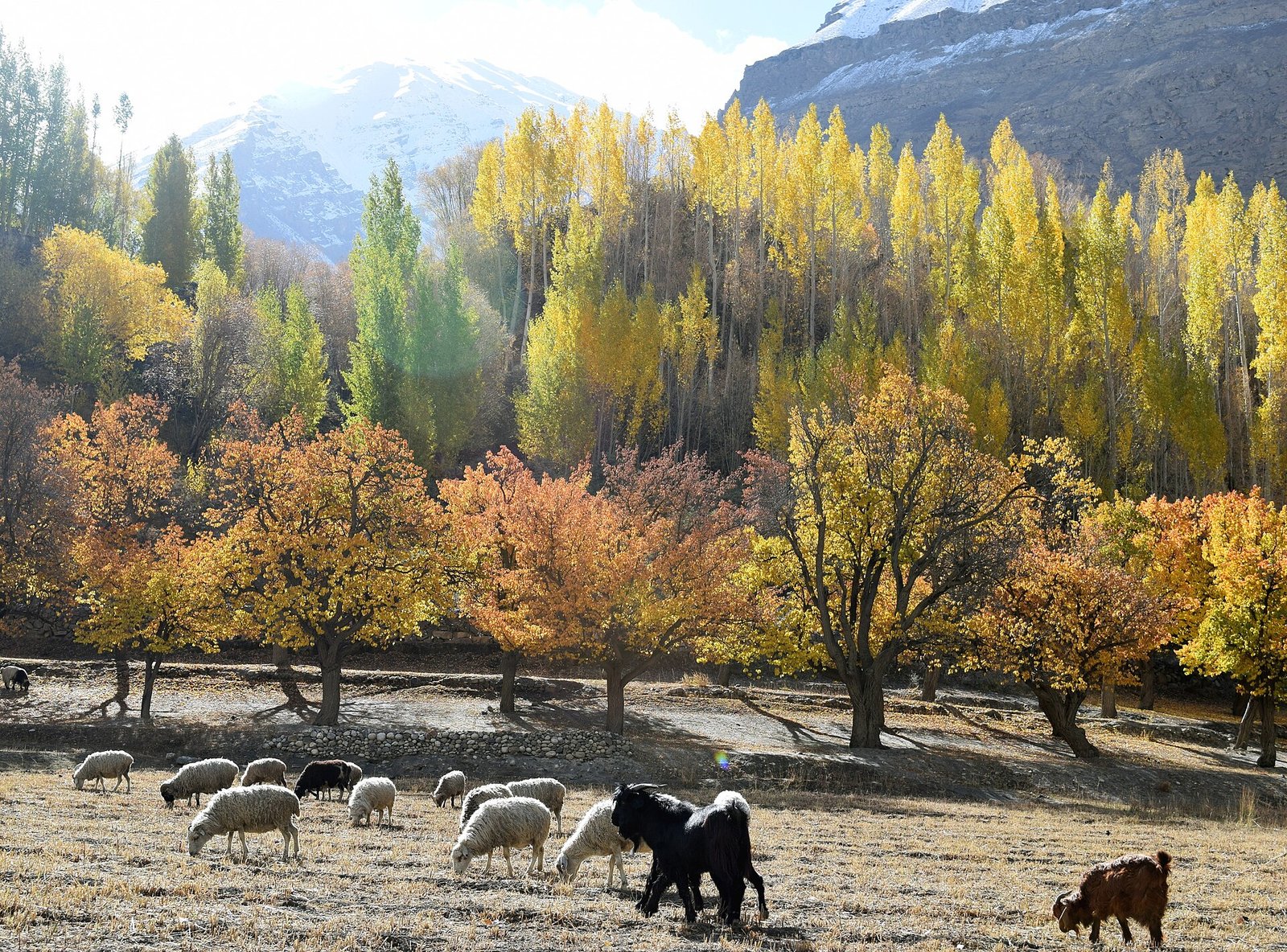
Shimshal Valley in autumn colours, Upper Hunza
Destination guide

Shimshal Valley: The Complete Travel Guide

At the end of one of the wildest jeep roads in the Karakoram lies Shimshal, a Wakhi village of yak herders and record-breaking mountaineers, surrounded by glaciers and 7,000 m peaks.

Updated October 2026By The Golden Adventure team
Photo: Goharanwar14 / Wikimedia Commons, CC BY-SA 4.0 (source)

Shimshal Valley at a Glance

Shimshal Valley branches east from the Karakoram Highway at Passu in Upper Hunza. Its main village, at about 3,100 m, is the highest settlement in Hunza District and the base for glacier walks, the Shimshal Pass trek and some of the easiest 6,000 m summits in Pakistan.

LocationGojal, Hunza District, Gilgit-Baltistan
AltitudeVillage about 3,100 m; Shimshal Pass 4,735 m
Best time to visitJune–September
Getting there56 km jeep road from Passu, about 3–4 hours
Top sightsYazghil Glacier, Shimshal Pass, Shimshal Pamir, Minglik Sar
Known forWakhi culture, yak herding, mountaineers

Where Is Shimshal Valley?

Shimshal Valley lies in Gojal, the northern part of Hunza District in Gilgit-Baltistan. A side road leaves the Karakoram Highway near Passu and follows the Shimshal River east for 56 km to the main village. Beyond the village, high pastures known as the Shimshal Pamir stretch north towards the Chinese border.

This is the largest valley in Gilgit-Baltistan, covering roughly 3,800 km². Its skyline includes Distaghil Sar (7,885 m), Kunjut Sar (7,790 m) and Trivor (7,577 m), while the Yazghil and Khurdopin glaciers spill down from the Hispar Muztagh to the south.

History & People of Shimshal Valley

For most of its history Shimshal could only be reached on foot along a dangerous gorge. Villagers built the road themselves over many years, and motor vehicles first reached the village in October 2003. Today around 2,000–3,000 people live here, almost all Wakhi-speaking Ismaili Muslims. Nearly every house uses solar panels.

Life still revolves around herding. Every summer, families take yaks, sheep and goats up to pastures several days’ walk away, such as Shuwert in the Shimshal Pamir. Land and wildlife around the village are managed by the community’s Shimshal Nature Trust.

Shimshal is often called the Valley of Mountaineers. Samina Baig, the first Pakistani woman to climb Everest, comes from here, as does Rajab Shah, who climbed Pakistan’s five highest peaks. The village runs its own Shimshal Mountaineering School.

MUST-SEE EXPERIENCES

Top 8 Things to Do in Shimshal Valley

Shimshal rewards slow travel; these are the experiences most visitors come for.

  1. 01
    Adventure

    Ride the Shimshal road

    The jeep track from Passu clings to cliffs above the Shimshal River and is an adventure in its own right. It takes about three to four hours, with views of glaciers tumbling almost to the road.

  2. 02
    Nature

    Walk to the Yazghil Glacier

    About three hours’ walk from the village, the Yazghil Glacier is the classic day hike. Reaching the glacier needs no guide, but going onto or across the ice does.

  3. 03
    Adventure

    Trek to the Shimshal Pass and Pamir

    A multi-day trek climbs to the Shimshal Pass at 4,735 m, on the watershed between the Indus and Tarim basins, and the summer herding settlement of Shuwert. It is one of the great cultural treks of the Karakoram.

  4. 04
    Adventure

    Climb Minglik Sar

    Rising above the Shimshal Pass at around 6,000 m, Minglik Sar is often described as one of the easiest peaks of its height in the Karakoram. It is a snow climb that suits fit trekkers with some basic mountaineering skills and a qualified guide.

  5. 05
    Culture

    See the yak race festival

    In late July or early August, Shimshalis celebrate the herding season at the pass with a yak race, singing and dancing. Timing varies, so check before planning around it.

  6. 06
    Culture

    Meet the Valley of Mountaineers

    Ask your guesthouse about the village’s climbers and the Shimshal Mountaineering School. Hearing their stories over tea is one of the highlights of a stay.

  7. 07
    Nature

    Look for blue sheep and ibex

    The Shimshal area holds Pakistan’s blue sheep population; a 2025 survey counted 1,692 animals. Ibex are also seen on the slopes above the valley.

  8. 08
    Viewpoint

    Explore the Khurdopin Glacier

    East of the village, the Khurdopin Glacier pass is a favourite trekking objective. Glacier travel here is serious, so go only with experienced local guides.

Best Time to Visit Shimshal Valley

June to September is the best season, when the road is normally open, the fields are green and the high pastures are in use. July and August are the warmest months but also the riskiest for floods: in August 2025 floods damaged the only road into Shimshal and its embankments. Late September and early October bring clear skies and cold nights.

Winter visits are possible for hardy travellers, but temperatures are very low and road access is unreliable.

How to Get to Shimshal Valley

First reach Passu in Upper Hunza via Gilgit, then take a jeep up the Shimshal road. Shared jeeps run irregularly, often only once or twice a day, and can be boarded in Aliabad or along the highway; seats need booking a day or two ahead. A private 4×4 is more reliable and lets you stop for photos.

RouteDistanceTypical time
Islamabad – Gilgit (flight)–About 1 hour, weather permitting
Gilgit – PassuAbout 147 km3.5–4 hours
Passu – Shimshal village56 km3–4 hours by jeep

Times are approximate and the road is narrow, steep and prone to rockfall. Travel in daylight with an experienced local driver.

Getting Around Shimshal

The village is spread along the valley floor and is easy to explore on foot. Day hikes start from the village, while longer trips into the Pamir are on foot, with yaks or porters carrying loads.

Where to Stay in Shimshal

Accommodation is in simple family guesthouses with shared bathrooms and floor mattresses. Meals are home-cooked and usually included or available on request. Electricity comes mainly from solar power. On treks, you camp or stay in herders’ stone huts.

Guesthouses in Shimshal Valley are small, so book ahead in July and August, and let your hosts know about dietary needs in advance. Facilities are basic, so set expectations accordingly.

Suggested Shimshal Valley Itineraries

Three days

Day 1: drive Passu – Shimshal. Day 2: Yazghil Glacier hike. Day 3: return to Passu.

One week

Add a short trek towards the Shimshal Pamir with nights in herders’ settlements.

Two weeks

Trek to the Shimshal Pass and Shuwert, with an optional ascent of Minglik Sar.

What to Pack for Shimshal

  • Warm sleeping bag and down jacket; nights are cold even in summer.
  • Sturdy boots and trekking poles.
  • Sun protection for high-altitude light.
  • Water purification, snacks and a basic first-aid kit.
  • Enough cash for the whole stay; there are no ATMs.
  • Small gifts are less useful than buying local produce and paying fairly.

Culture & Etiquette

Shimshalis are proud, hospitable and used to trekkers, but this is a small community where everyone knows everyone. The rhythm of Shimshal Valley follows the seasons of herding and farming, so many people are busy in the fields or away with livestock in summer. Dress modestly, ask before taking photos, and pay for meals and accommodation rather than relying on hospitality. Keep water sources clean and carry out all rubbish; the valley’s conservation is run by the community itself.

Practical Travel Tips for Shimshal Valley

Permits: Visiting the village and nearby glaciers has generally not required a special permit, though police may register foreigners at checkpoints. Beyond Shuwert in the Shimshal Pamir, and on long routes towards the Baltoro, a restricted-zone permit is needed, arranged through a licensed operator. Rules change, so confirm before you travel.

Safety and advisories: Gilgit-Baltistan is not on the US State Department‘s Do Not Travel list, but Pakistan overall is rated Level 3. The UK FCDO advises against all travel on the Karakoram Highway between Mansehra and Chilas. In Shimshal itself, the main risks are the road, floods, glaciers and altitude.

Signal and money: Mobile coverage is limited. Bring all the cash you need from Gilgit or Aliabad.

SHIMSHAL VALLEY TRAVEL

Shimshal Valley Highlights at a Glance

Shimshal Valley is for travellers who want to go beyond the highway: a spectacular jeep road, glaciers on the doorstep and a community that has produced some of Pakistan’s best climbers.

Go between June and September, allow at least three days, and travel with a local driver and guide.

Read more about the village and its pastures on Wikipedia’s Shimshal page.

Plan your Shimshal trip

Shimshal Valley Tours with The Golden Adventure

Our Shimshal Valley jeep safari takes you up the road from Passu with an experienced local driver. Browse our other jeep safari tours and trekking tours if you would like to combine Shimshal with longer routes in the Karakoram.

Plan your Shimshal trip

Tell us your dates and interests and our team in Gilgit will design a private trip and send your free Letter of Invitation.

Shimshal Valley FAQs

How long is the road to Shimshal Valley?

About 56 km from Passu on the Karakoram Highway, usually three to four hours by jeep.

When did the Shimshal road open?

The road reached the village in October 2003, after years of work by the community.

Do I need a permit for Shimshal?

Not for the village and nearby glaciers in most cases, though you may be registered at checkpoints. Treks beyond Shuwert or towards the Baltoro need a restricted-zone permit.

Is Shimshal safe for tourists?

Gilgit-Baltistan is not on the US Do Not Travel list, and the community is welcoming. The practical risks are the narrow road, summer floods and altitude.

How high is Shimshal?

The main village sits at about 3,100 m, and the Shimshal Pass reaches 4,735 m.

What is the best time to visit?

June to September, when the road is usually open and herders are in the high pastures.

Can beginners climb Minglik Sar?

Fit trekkers with basic snow skills can attempt it with a qualified guide. It is a glaciated peak of around 6,000 m, not a walk-up.

TGA AI AssistantOnline · usually replies in seconds
AI can make mistakes. Please don't share personal, passport or card details.