
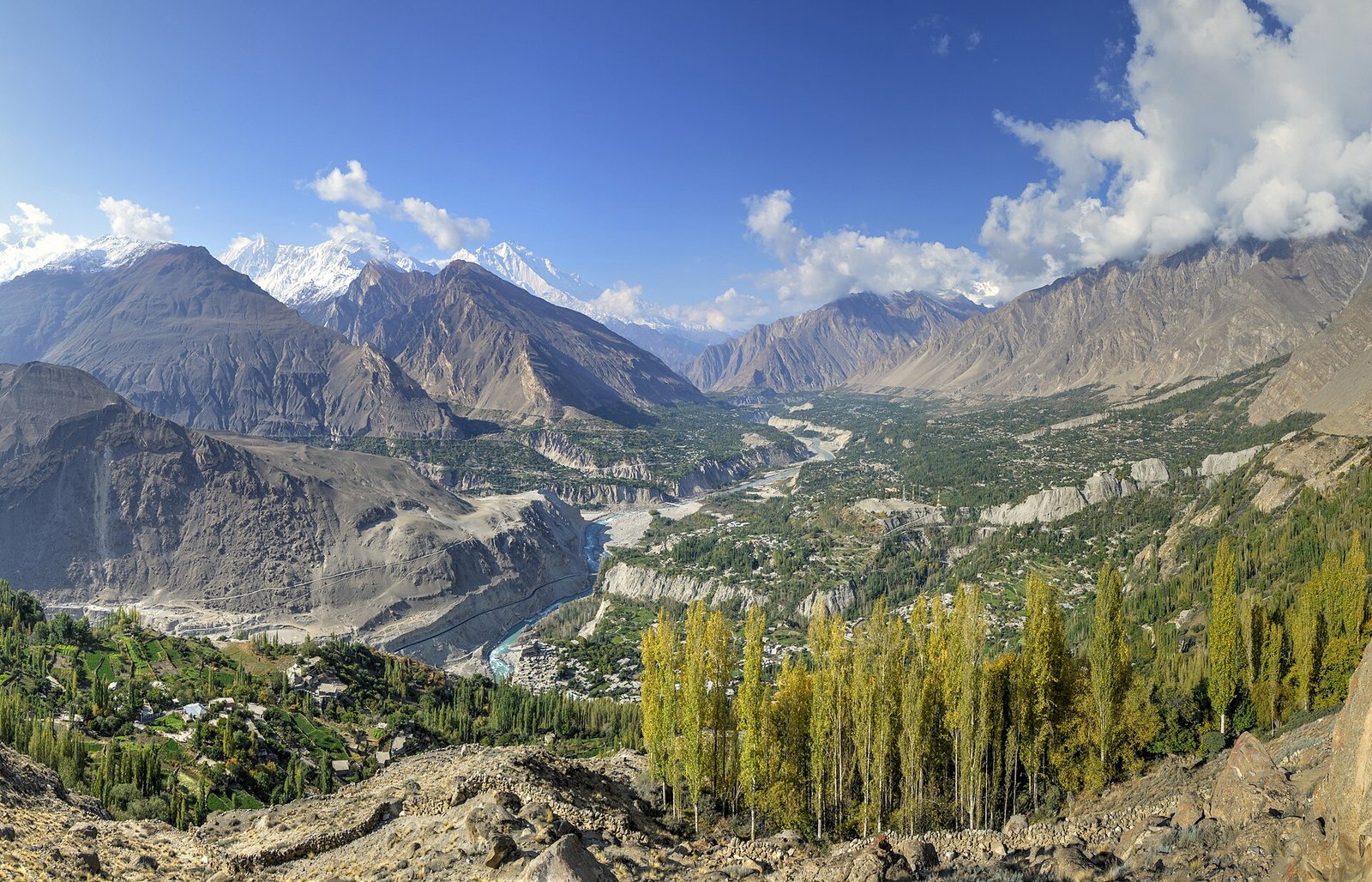
Hunza Valley Itinerary: 7 Perfect Days
Forts, glaciers, turquoise lakes and the highest paved border crossing on earth. Here is how we plan a week in Hunza for our own guests.
This Hunza Valley itinerary gives you seven unhurried days in the most loved valley in northern Pakistan: two historic forts, the turquoise water of Attabad Lake, the jagged Passu Cones, a glacier walk in Nagar and a day trip to the Khunjerab Pass on the China border. It starts and ends in Gilgit, so it works whether you fly in from Islamabad or drive the Karakoram Highway.
We are a licensed tour operator based in Gilgit, about two hours from Karimabad, and Hunza is where many of our guests fall in love with Pakistan. Below is the exact route we suggest, with drive times, where to stay, the best season and a few honest tips you will not find in most travel blogs.
Hunza Valley Itinerary at a Glance
| Day | Route | Highlights | Overnight |
|---|---|---|---|
| 1 | Gilgit → Karimabad | Rakaposhi viewpoint, Karakoram Highway | Karimabad |
| 2 | Karimabad | Baltit Fort, Altit Fort, Eagle's Nest sunset | Karimabad |
| 3 | Karimabad → Passu | Attabad Lake, Gulmit, Passu Cones, Hussaini Bridge | Passu or Gulmit |
| 4 | Passu → Khunjerab → Passu | Khunjerab Pass (4,693 m), Sost | Passu or Gulmit |
| 5 | Passu → Nagar → Karimabad | Borith Lake, Hopar Glacier | Karimabad |
| 6 | Karimabad | Ganish village, Duikar, Hunza food | Karimabad |
| 7 | Karimabad → Gilgit | Fly or drive onward | Gilgit / Islamabad |
Flights between Islamabad and Gilgit depend on the weather and are often cancelled. If you fly, keep one spare day at the end of your trip. If you drive, add two days each way for the Karakoram Highway, which is an adventure in itself.
Day 1: Gilgit to Karimabad
Fly from Islamabad to Gilgit (about an hour of spectacular mountain flying, with Nanga Parbat often visible) or arrive after the long drive up the Karakoram Highway. From Gilgit, it is roughly 100 km and two to three hours to Karimabad, the main town of central Hunza.
Stop at the Rakaposhi viewpoint near Ghulmet, where the 7,788 m peak rises almost straight up from the road. If you are a walker, this area is also the start of the Rakaposhi Base Camp Trek. Check in to your hotel in Karimabad, at about 2,500 m, and take it easy for the evening.
Day 2: Baltit Fort, Altit Fort and Eagle's Nest
Spend your first full day exploring Karimabad on foot. Start at Baltit Fort, the former palace of the Mirs of Hunza, which looks down over the whole valley. The fort is several centuries old and was restored by the Aga Khan Trust for Culture before opening as a museum in 1996. Guided tours run through the day and explain how Hunza was ruled until 1974.
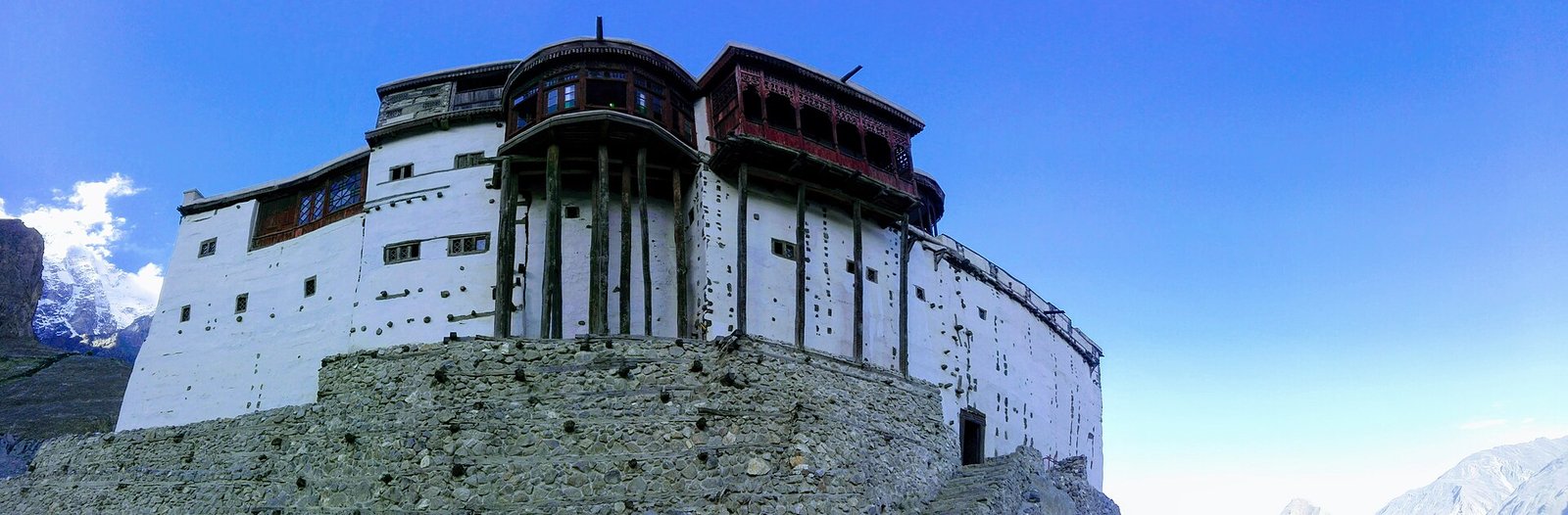
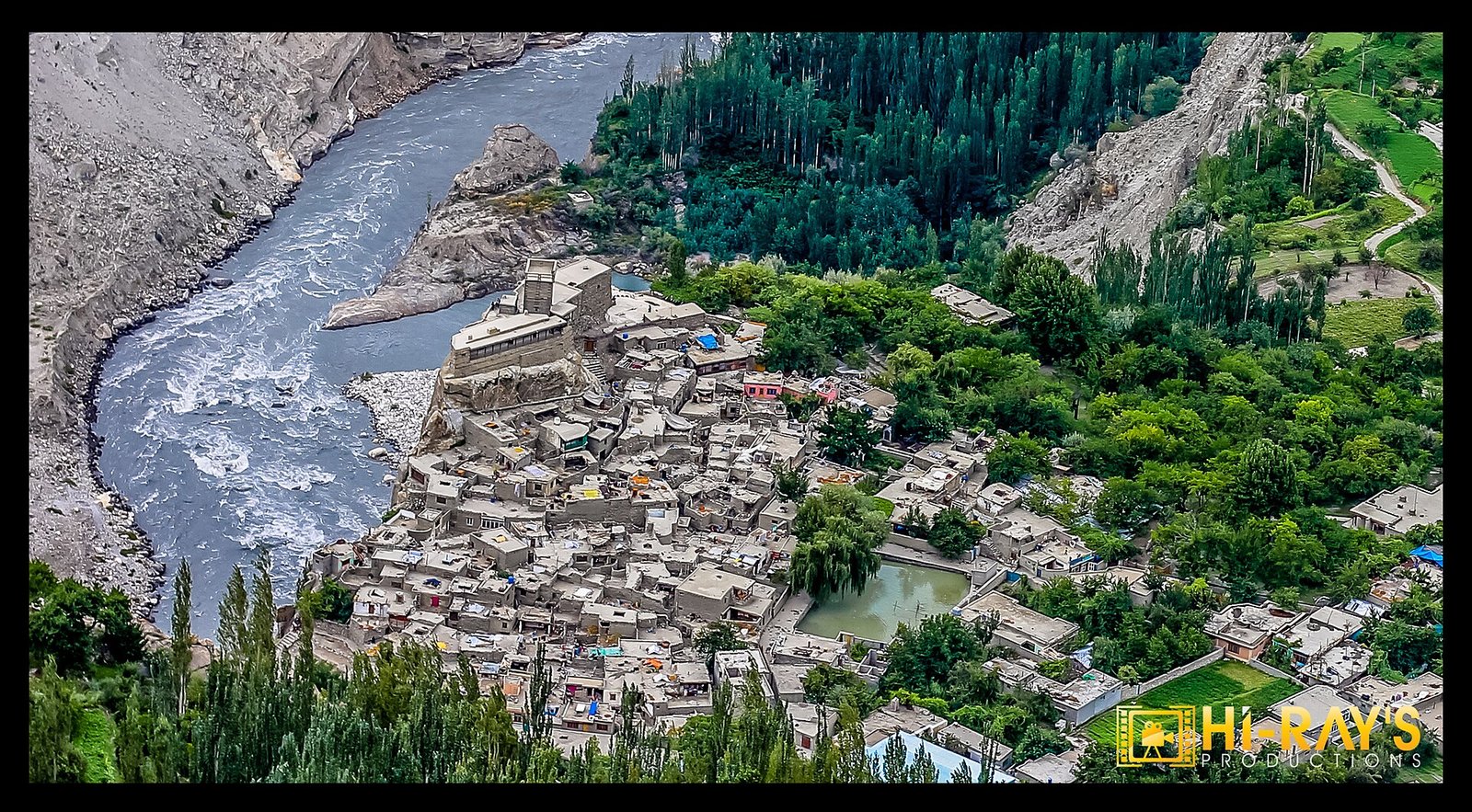
In the afternoon, walk or drive down to Altit Fort, the oldest monument in the valley, perched on a cliff above the Hunza River. Its restoration and the revival of the surrounding old village won a UNESCO Asia-Pacific Award for Cultural Heritage Conservation. Wander through the Royal Garden and the lanes of old Altit before heading up to Eagle's Nest in Duikar for sunset. From here you can see Rakaposhi, Diran, Ultar Sar and the Lady Finger peak turn pink as the sun goes down.
Day 3: Attabad Lake, Gulmit and the Passu Cones
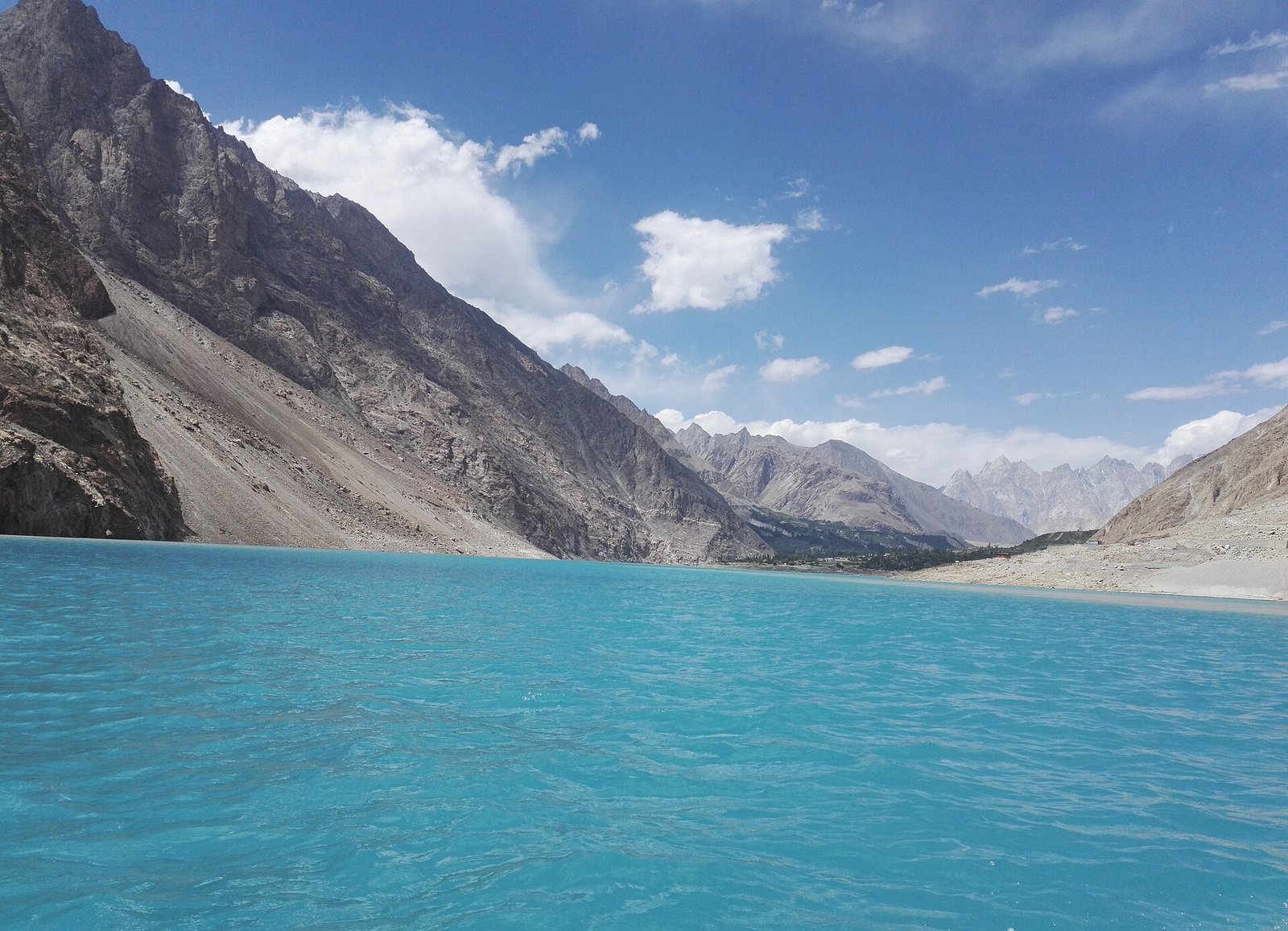
Today you drive north into Gojal (Upper Hunza). The road runs through tunnels beside Attabad Lake, a vivid blue lake that formed in January 2010 when a huge landslide blocked the Hunza River. Stop for a boat ride, then continue to Gulmit, a quiet village with a small cultural museum and a carpet centre run by local women.
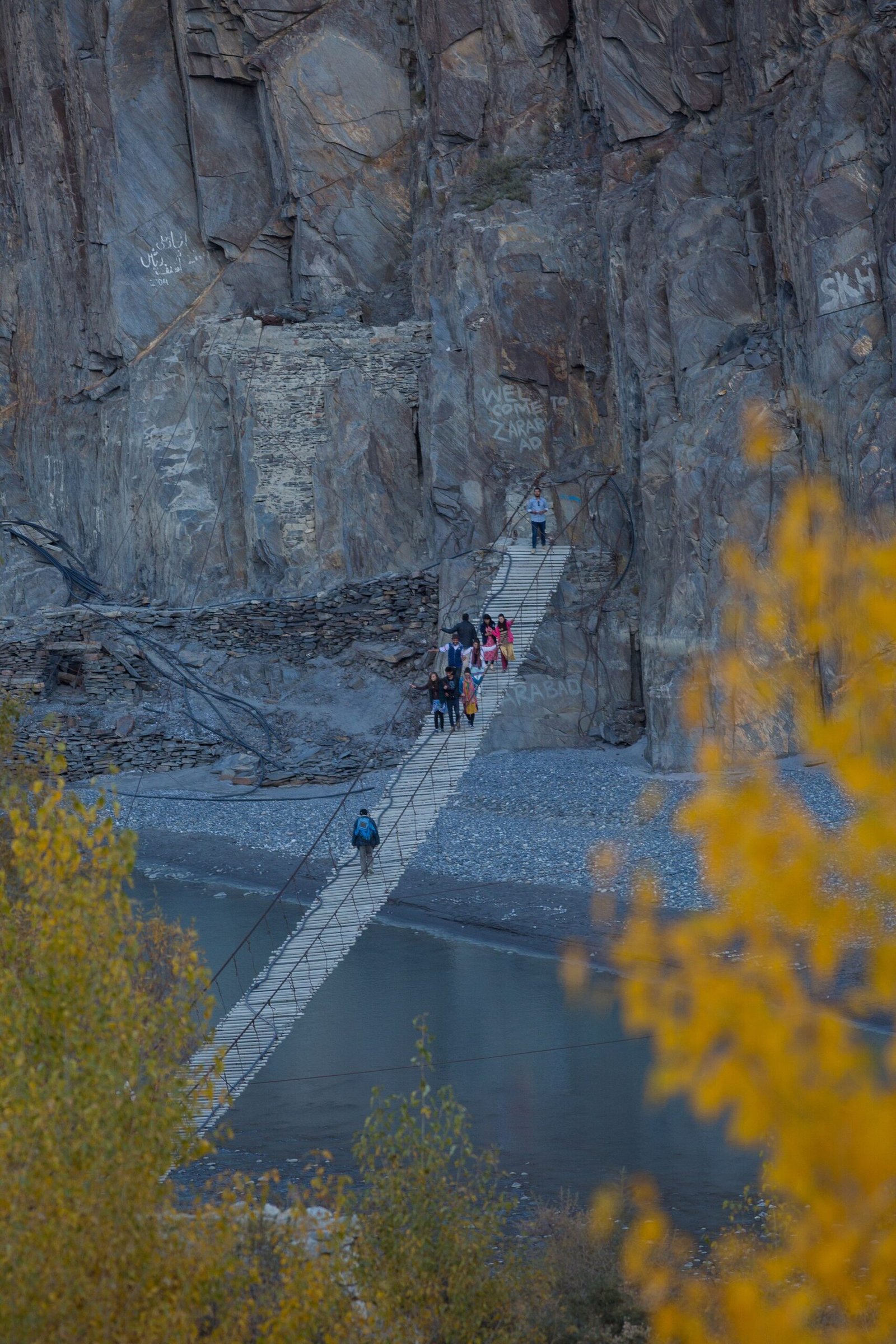
By afternoon you reach Passu, where the saw-toothed Passu Cones (also called Tupopdan) tower over the village. Walk across the famous Hussaini Suspension Bridge, made of wooden planks and steel cables high above the river. It is wobbly and exciting, so take your time and hold on. Stay overnight in Passu or Gulmit.
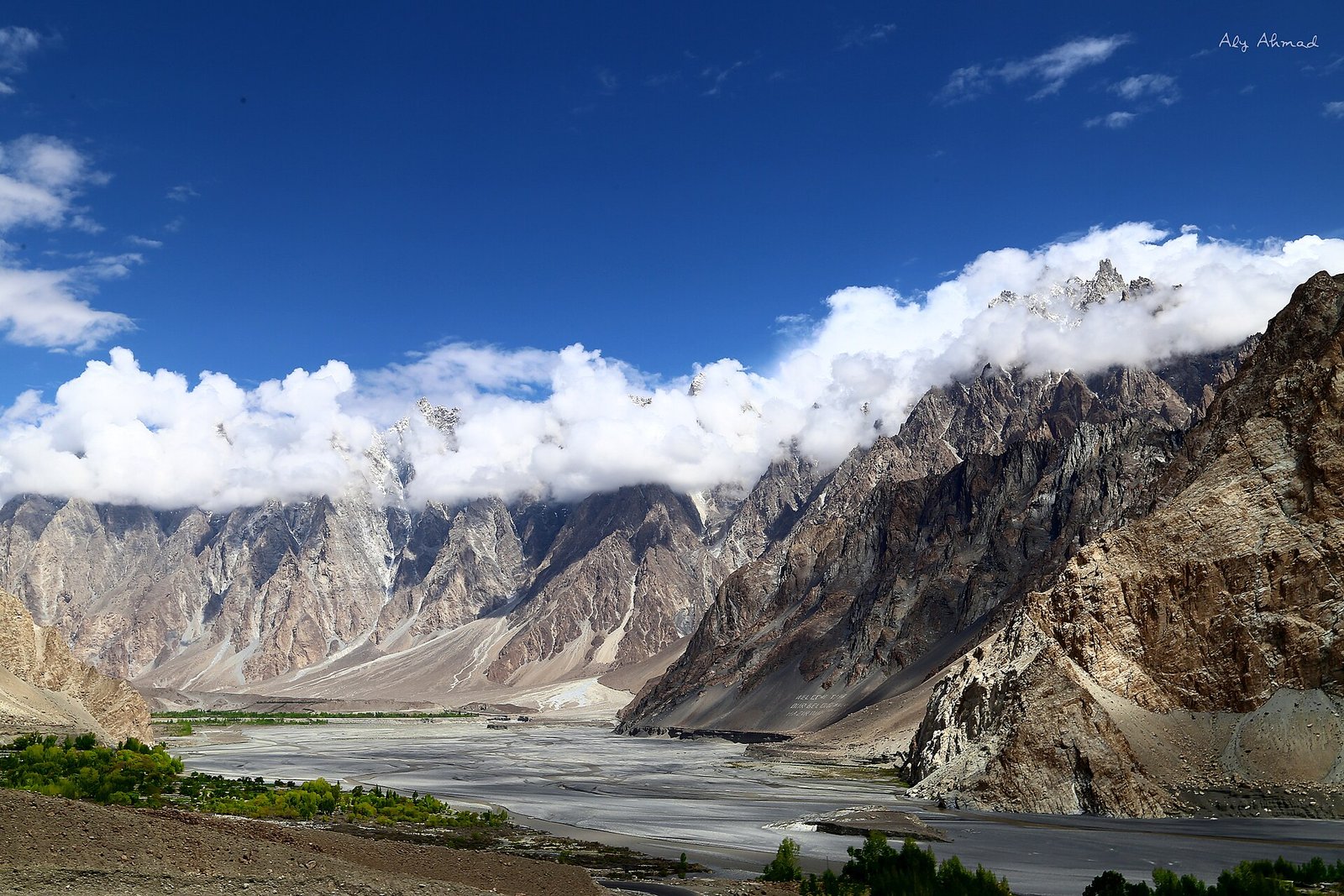
Day 4: Day Trip to the Khunjerab Pass
Drive north through Sost, the last town before the border, to the Khunjerab Pass (4,693 m), the highest paved international border crossing in the world. The road climbs through Khunjerab National Park, where you may spot Himalayan ibex, marmots and, if you are very lucky, Marco Polo sheep.
At the top you stand at the Pakistan–China border gate in thin, cold air, so bring a warm jacket even in summer and move slowly. Foreigners must carry their passport for the checkpoints and pay the national park entry fee. The border is kept open for trade all year, but in winter snow and extreme cold often make sightseeing trips impossible, so check road conditions before you plan this day. Return to Passu or Gulmit for the night.
Day 5: Borith Lake and Hopar Glacier
In the morning, take a short walk or jeep ride to Borith Lake near Hussaini, a peaceful wetland where migrating birds stop in spring and autumn. Then drive back south past Attabad Lake and cross the river to the Nagar Valley.
A winding road leads up to Hopar, a cluster of villages on the edge of the grey, rubble-covered Bualtar (Hopar) Glacier. From the viewpoint you can often hear the ice creak and crack as it moves. It is a striking contrast with the green terraces of Hunza on the other side of the river. Return to Karimabad for the night.
Day 6: Ganish Village and a Taste of Hunza
Keep this day slow. Visit Ganish, believed to be the oldest settlement in Hunza, with carved wooden mosques, watchtowers and a restored water reservoir. Like Altit, Ganish has been recognised with a UNESCO Asia-Pacific heritage award. Fit walkers can hike part of the way up to Ultar Meadow below the Ultar glacier for a closer look at the peaks.
Save your appetite for Hunza food: chapshoro (a meat-filled pie), diram fitti (sprouted wheat bread with apricot oil), apricot soup and walnut cake. Many family cafés in Karimabad and Altit serve these dishes, and every purchase supports local families.
Day 7: Back to Gilgit
Drive back to Gilgit (two to three hours) for your flight to Islamabad or the start of your next adventure. If you have more time, Hunza connects easily to Skardu, Fairy Meadows and the treks of the Karakoram. You can see how to combine them in our 2-week Pakistan itinerary.
Best Time to Follow This Hunza Valley Itinerary
- April: cherry and apricot blossom season, cool days and snow on the peaks. Join our Hunza Cherry Blossom Tour.
- May to September: warm days, all roads open and the Khunjerab Pass accessible. July and August are the busiest months with domestic tourists.
- October to early November: golden poplars and the best light for photos. See our Hunza Autumn Photography Tour.
- Winter: beautiful and quiet, but very cold, many hotels close and snow often blocks the road to the Khunjerab Pass.
For month-by-month advice for the whole country, read our guide to the best time to visit Pakistan.
Where to Stay in Hunza
Most travellers base themselves in Karimabad or Altit for central Hunza, and in Passu or Gulmit for Upper Hunza. Options range from simple family guesthouses with home-cooked dinners to comfortable boutique hotels with views of Rakaposhi. In July, August and the blossom season, rooms with a view sell out, so book early or let us arrange it for you.
How Much Does a Week in Hunza Cost?
A private 7-day Hunza Valley itinerary with a car, driver, guide and mid-range hotels usually costs much less than a trek, because there are no trekking permits or porters. The main costs are your domestic flight or road transfer, the vehicle and driver, hotels and entry fees for the forts and Khunjerab National Park. Sharing a car with friends or family is the easiest way to save. Ask us for a quote, or rent a car with a driver and plan the route yourself.
Practical Tips for Hunza
- Dress modestly. Hunza is relaxed and welcoming, but long sleeves and loose trousers are appreciated, especially in villages.
- Carry cash. ATMs exist in Karimabad and Gilgit but can run out or go offline.
- Expect slow internet. Mobile data works in most towns, but not everywhere.
- Ask before photographing people, especially women.
- Check official advice. Hunza is one of the safest regions in Pakistan for travellers. Read our honest guide: Is Pakistan safe?
- Visa: most nationalities need an e-visa. When you book with us, we provide your Letter of Invitation for free. See our Pakistan visa guide.
For more background on the valley's history, the Baltit Fort article on Wikipedia is a good starting point, and our own Hunza Valley travel guide covers the valley in depth.
Want to Trek Instead?
If you would rather walk than drive, Hunza and Nagar are full of short and long treks: the Patundas Meadows Trek above Passu, the Batura Glacier Trek, the Rush Lake Trek in Nagar and the Rakaposhi Base Camp Trek. You can combine any of them with this Hunza Valley itinerary. Planning something bigger? Read our K2 base camp trek cost guide.
Frequently Asked Questions
How many days do you need in Hunza?
Seven days is ideal to see central Hunza, Upper Hunza (Gojal), the Khunjerab Pass and Nagar without rushing. With five days you can still see the highlights, but you may need to skip Hopar or Khunjerab.
Is Hunza safe for foreign tourists?
Yes. Hunza is one of the safest and most welcoming regions in Pakistan, and many foreign travellers visit every year. As anywhere in the mountains, the main risks are road conditions and weather.
What is the best month to visit Hunza?
April for blossom, May to September for warm weather and open roads, and October for autumn colours. July and August are the busiest months.
Do I need a permit to visit Hunza?
No special permit is needed for the main tourist areas of Hunza. Carry your passport and visa for police checkpoints, and pay the park fee at the Khunjerab National Park gate.
Can I fly directly to Hunza?
No. The nearest airport is Gilgit, about 2–3 hours by road from Karimabad. Flights from Islamabad to Gilgit depend on good weather.
Ready to plan your trip?
Tell us your dates and group size. We reply fast on WhatsApp with a clear, all-inclusive quote.
Get a Free QuoteWhatsApp +1 571 223 8737
A DTS-licensed Pakistan tour operator (DTS-GB-094) based in Gilgit, running treks, expeditions and culture tours since 2022.
