
Mohenjo-daro at a Glance
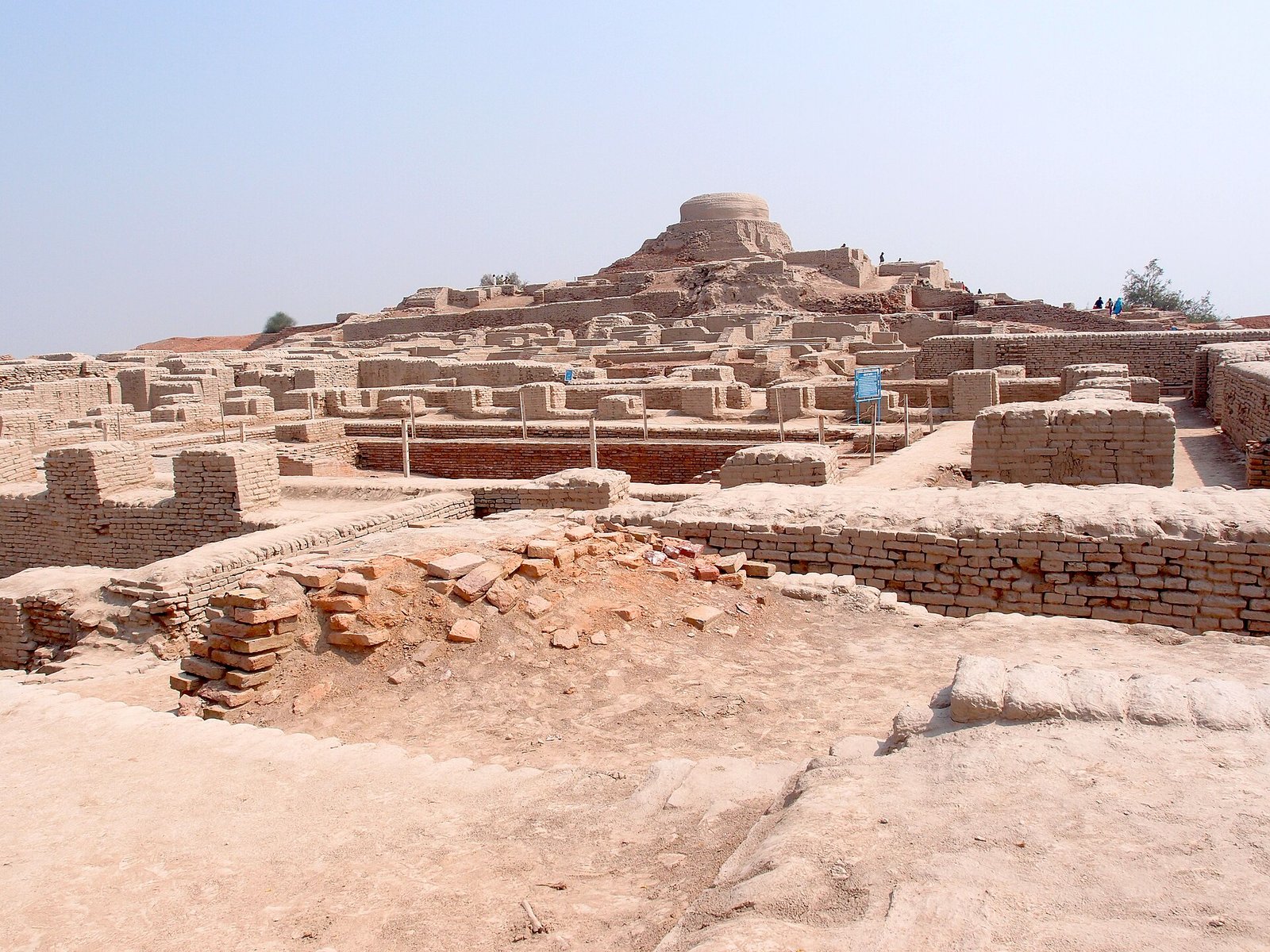
Mohenjo-daro is the best-preserved city of the Indus Valley Civilisation, built around 2500 BCE near today’s Larkana in northern Sindh. In 1980 it became South Asia’s first UNESCO World Heritage Site, and its baked-brick streets, drains and Great Bath still astonish visitors.
LocationLarkana District, Sindh, on the west bank of the Indus, 28 km from Larkana
AltitudeLow-lying Indus plain
Best time to visitNovember to February
Getting thereFly Karachi–Sukkur, then about 1.5 hours by road; or a long day’s drive from Karachi
Top sightsGreat Bath, citadel stupa, Lower Town streets, site museum
Known forIndus Valley urban planning, UNESCO status, the Priest-King and Dancing Girl finds
