
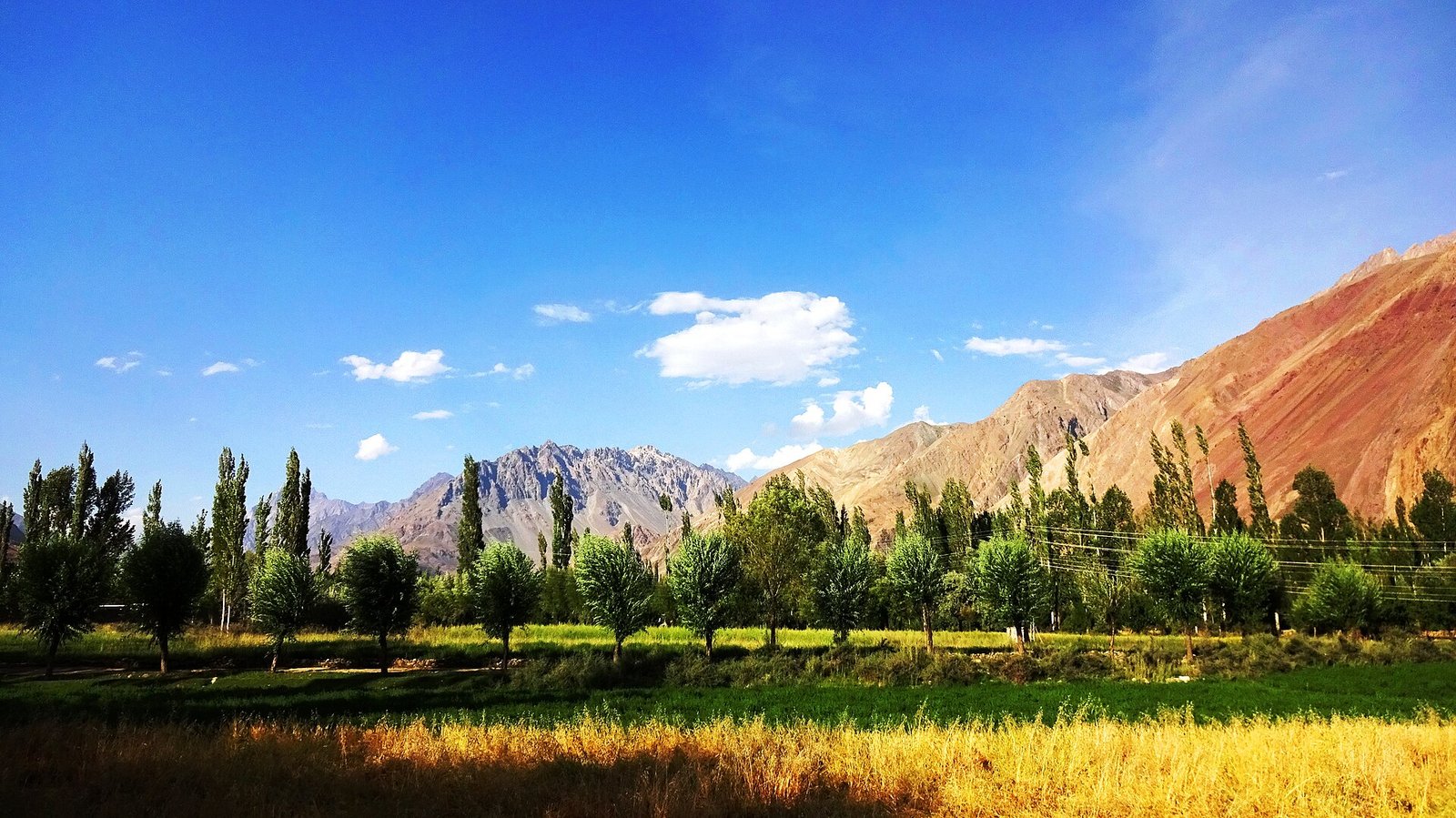
Yasin Valley at a Glance
Yasin Valley branches north from the Ghizer River at Gupis and runs up towards Darkut and the Hindu Kush watershed. It sees far fewer visitors than Hunza, which is exactly its appeal: irrigated villages, Ismaili and Sunni communities, historic forts and a string of high passes that once linked the Indus to Central Asia.
LocationGupis-Yasin District (formerly Ghizer), Gilgit-Baltistan
AltitudeValley floor roughly 2,100–2,750 m; Darkot Pass 4,570 m
Best time to visitMay to October
Getting thereAbout 142–148 km by road from Gilgit via Gahkuch and Gupis
Top sightsDarkut, Thoi valley, Hundur, Mudoori Fort, Nazbar valley
Known forGohar Aman, Lalak Jan, the Hayward story, Hindu Kush passes
