
Pakistan Itinerary: The Best 2 Weeks
Two weeks, three mountain ranges and some of the most beautiful roads on earth. This is the route we recommend to first-time visitors.
If you have two weeks, this Pakistan itinerary shows you the very best of the north: the green capital Islamabad, the deserts and lakes of Skardu, the high Deosai Plains, the forts and glaciers of Hunza, the Khunjerab Pass on the China border and the meadows below Nanga Parbat. It is the route we suggest most often to first-time visitors, and it works best from June to September.
We are a licensed tour operator (DMC) in Gilgit, right in the middle of this route. Below you will find the day-by-day plan, a map of how the regions connect, what changes in spring and autumn, and how to add Lahore if you want more culture.
2-Week Pakistan Itinerary at a Glance
| Days | Region | Highlights |
|---|---|---|
| 1–2 | Islamabad | Faisal Mosque, Margalla Hills, Taxila |
| 3–5 | Skardu | Shigar Fort, Cold Desert, Upper Kachura Lake, Deosai Plains |
| 6 | Skardu → Hunza | Indus gorge road, Gilgit |
| 7–10 | Hunza | Baltit & Altit forts, Attabad Lake, Passu, Khunjerab Pass |
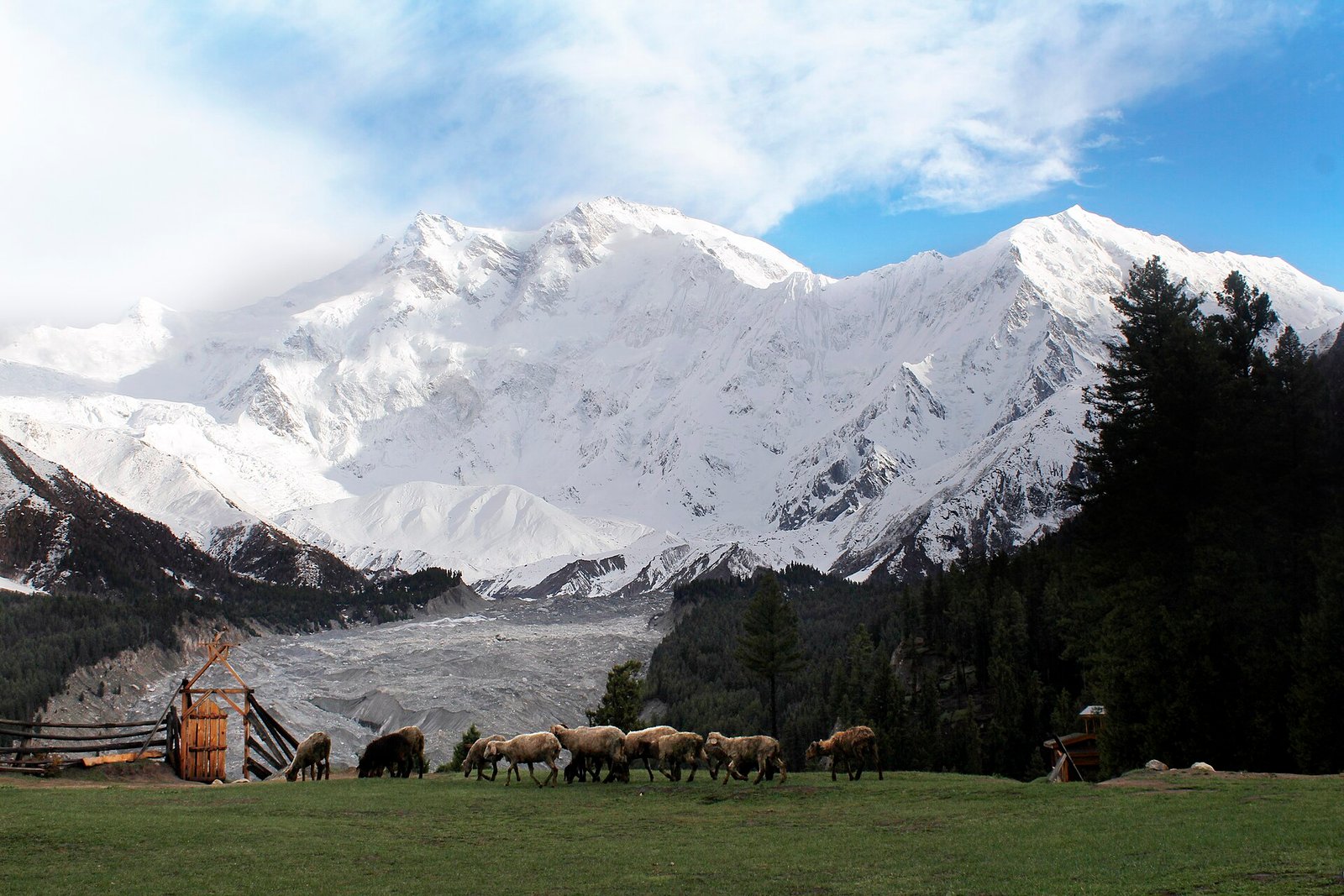
| 11–12 | Fairy Meadows | Nanga Parbat views, Beyal Camp hike |
| 13 | Babusar Pass → Naran | Babusar Top, Kaghan Valley |
| 14 | Naran → Islamabad | Departure |
This route uses the Islamabad–Skardu flight and the Babusar Pass road, both of which depend on weather and season. We always keep a little flexibility in the plan, and in spring or autumn we switch to the Karakoram Highway route described below.
Days 1–2: Islamabad and Taxila
Arrive in Islamabad, one of the greenest capitals in Asia, set against the Margalla Hills. On your first day, rest and then visit the Faisal Mosque, one of the largest mosques in the world, and drive up to Daman-e-Koh or Pir Sohawa for the view over the city at sunset.
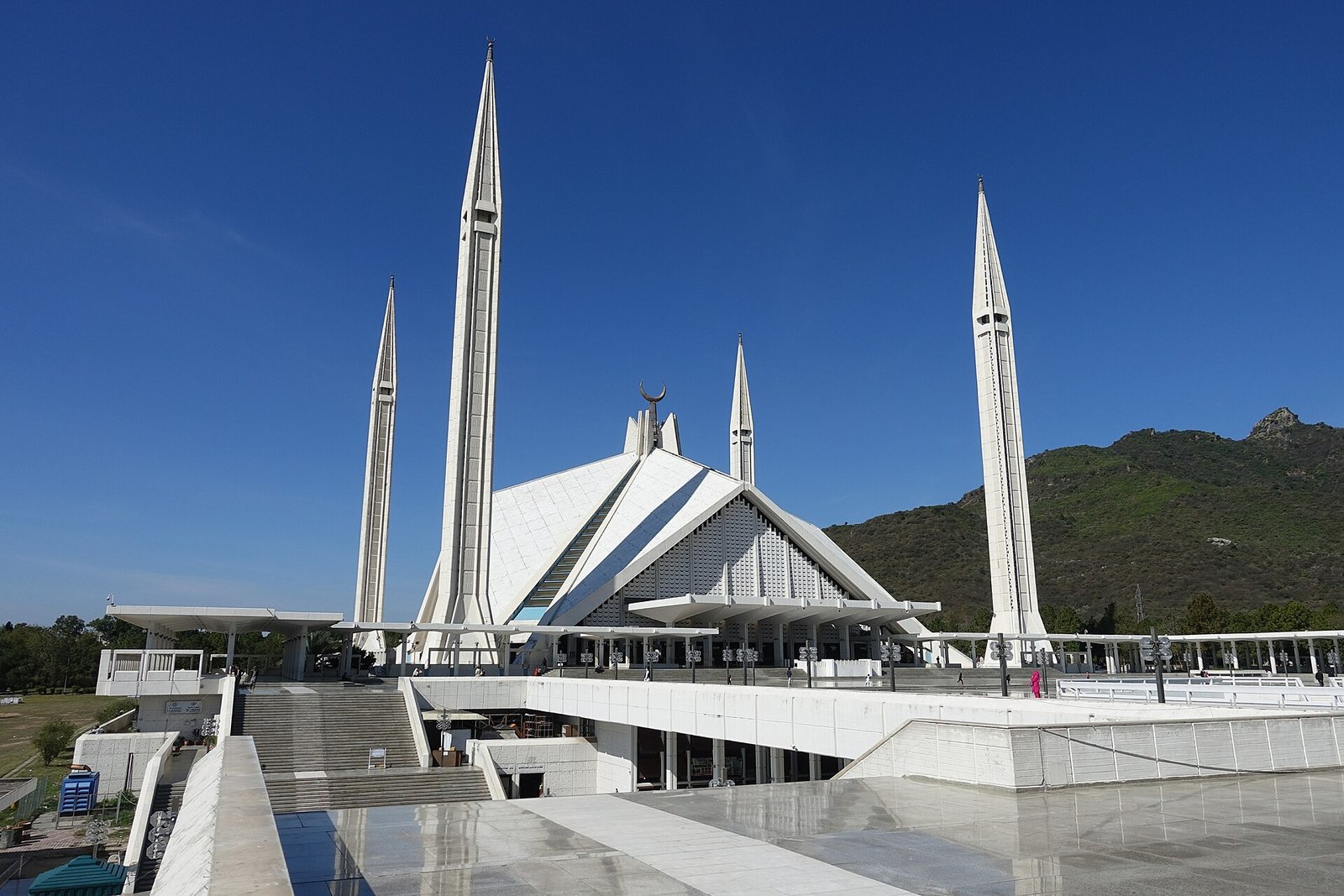
On day two, take a half-day trip to Taxila, a UNESCO World Heritage Site with Buddhist monasteries and stupas from the Gandhara civilisation, then visit the Lok Virsa heritage museum in the afternoon. Our Islamabad City Tour and Taxila Day Tour cover both. Read more in our Islamabad guide.
Days 3–5: Skardu, Shigar and the Deosai Plains
Take the morning flight to Skardu, one of the most dramatic flights in the world, along the Indus and past the Karakoram peaks. In the afternoon, visit Upper Kachura Lake and the Shangrila resort at Lower Kachura.
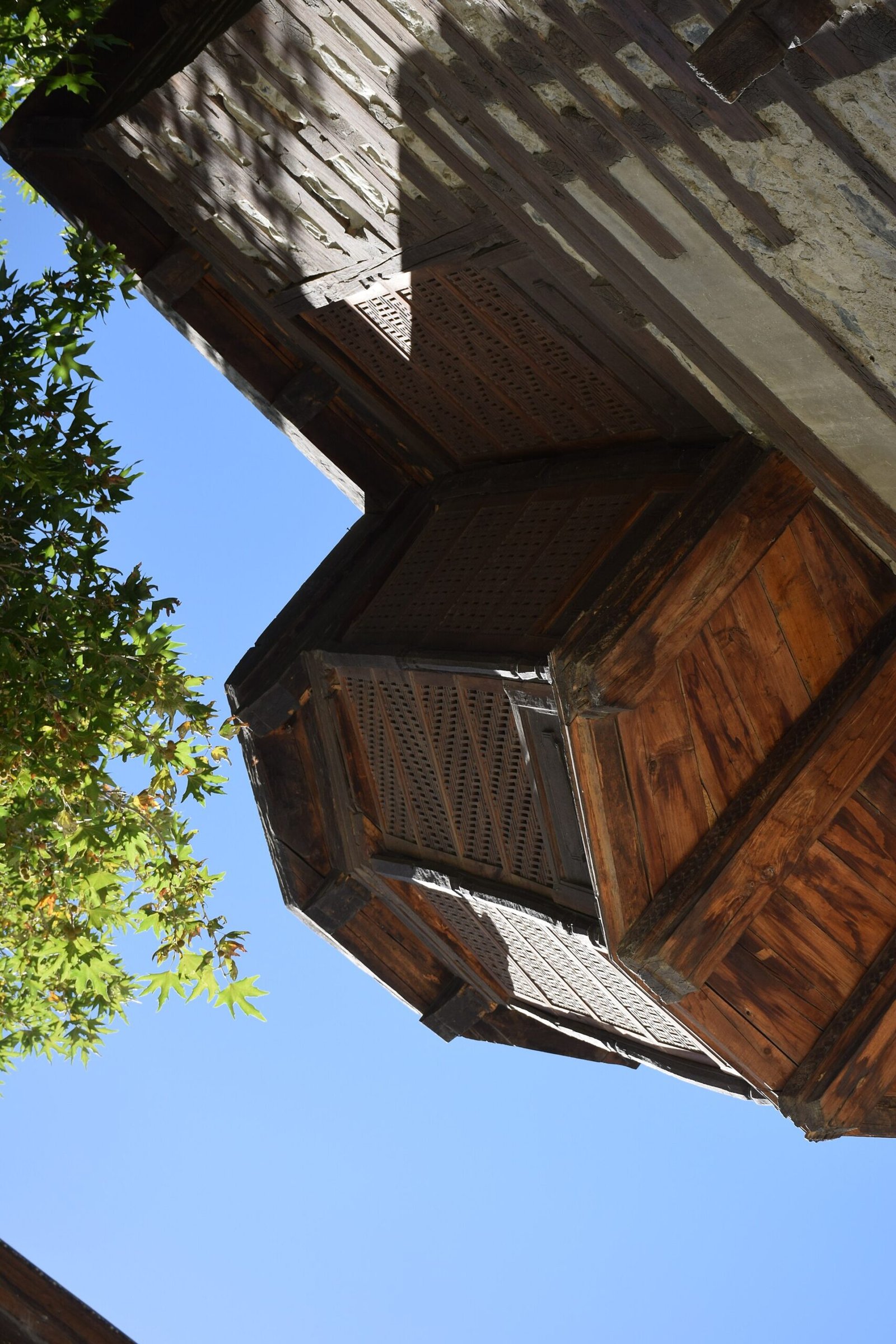
On day four, drive to the Shigar Valley and the restored Shigar Fort, a palace of the old rulers of Shigar that now operates as a heritage hotel. Stop at the Cold Desert of Katpana on the way back, where sand dunes sit under snowy peaks. Our Skardu travel guide lists more places to see.
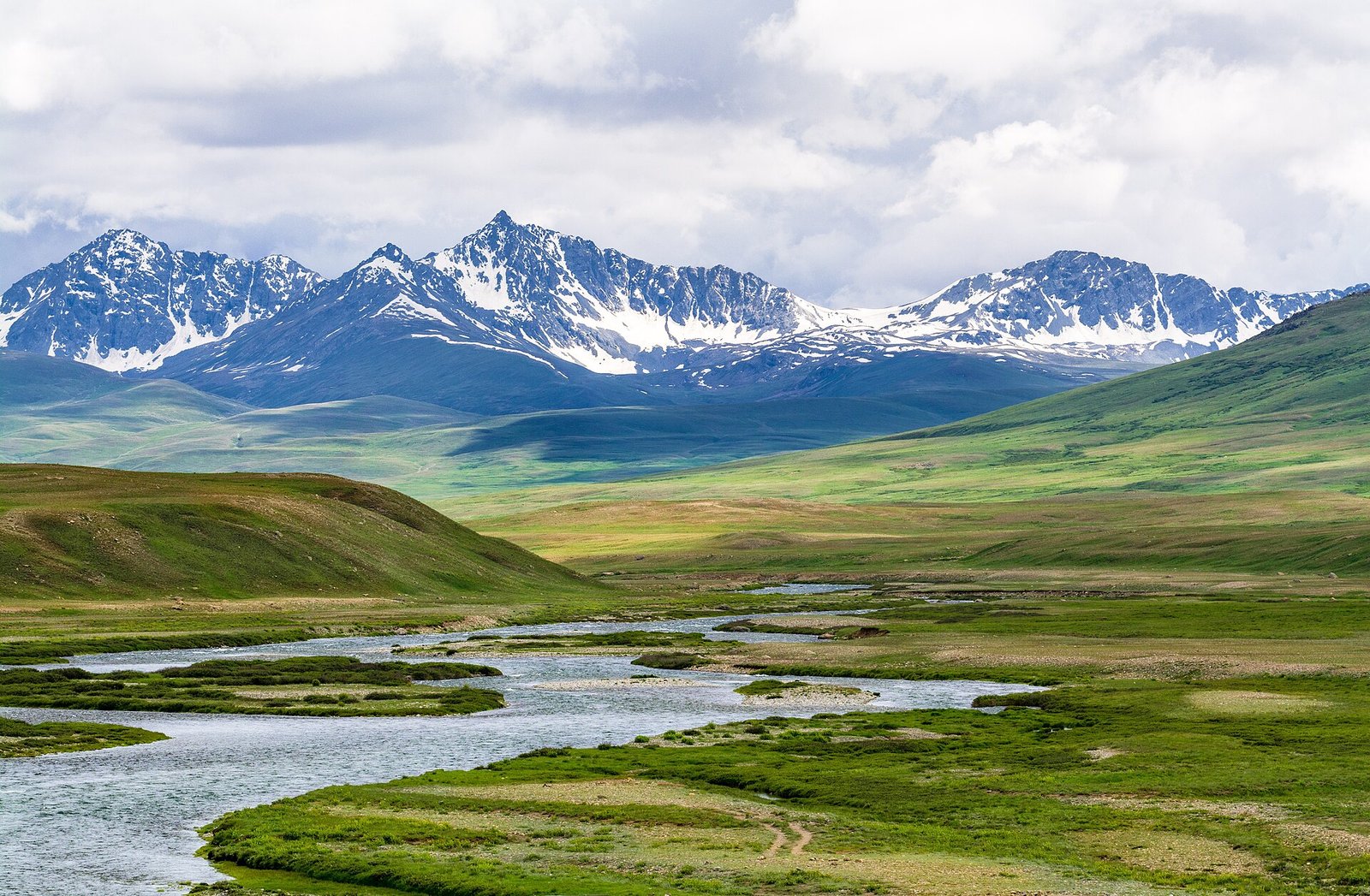
Day five is for the Deosai Plains, one of the highest plateaus in the world at about 4,000 m. In July and August it is covered in wildflowers, and it is home to the Himalayan brown bear. Deosai is usually only open from about June to September. See our Deosai guide or join the Deosai Brown Bear Tour.
Day 6: Skardu to Hunza
Drive west along the Indus gorge to Gilgit, then north on the Karakoram Highway to Karimabad in Hunza. It is a long day, usually seven to nine hours with stops, but the scenery changes constantly. Look out for the point near Jaglot where three of the world's great mountain ranges, the Himalaya, Karakoram and Hindu Kush, meet.
Days 7–10: Hunza Valley and the Khunjerab Pass
Hunza is the heart of this Pakistan itinerary. Spend four nights here, split between Karimabad and Passu:
- Day 7: Baltit Fort, Altit Fort and sunset at Eagle's Nest.
- Day 8: Attabad Lake, Gulmit, the Passu Cones and the Hussaini Suspension Bridge.
- Day 9: Day trip to the Khunjerab Pass (4,693 m) on the China border.
- Day 10: Hopar Glacier in Nagar, then back to Karimabad.
We describe each of these days in detail in our 7-day Hunza Valley itinerary, and our Hunza Valley guide covers the history and culture.
Days 11–12: Fairy Meadows and Nanga Parbat
Drive south on the Karakoram Highway to Raikot Bridge, then switch to a local jeep for the famous narrow road up to Tato. From there it is a hike of about two to three hours to Fairy Meadows (about 3,300 m), a forest meadow facing the north face of Nanga Parbat (8,126 m), the ninth-highest mountain on earth.
On day twelve, walk to Beyal Camp and the Nanga Parbat viewpoint for a closer look at the Raikot Glacier. Nights here are spent in simple wooden cabins. Read our Fairy Meadows guide, or make it a proper trek with our Nanga Parbat Base Camp Trek.
Day 13: Babusar Pass and Naran
Hike and jeep back down to the Karakoram Highway and drive over the Babusar Pass (about 4,170 m) into the Kaghan Valley. From the top, on a clear day, you can see Nanga Parbat one last time. Spend the night in Naran and, if time allows, visit Lake Saiful Muluk. See our Naran and Kaghan guide.
Day 14: Back to Islamabad
Drive down the Kaghan Valley and the Hazara Motorway to Islamabad, usually around six to seven hours, in time for an evening or next-morning flight home.
Spring and Autumn Version of This Pakistan Itinerary
The Deosai Plains and Babusar Pass are closed for much of the year. In April, May, October and early November we change the route:
- Skip Deosai and spend the day in Skardu's Shigar or Khaplu valleys instead.
- Drive the Karakoram Highway via Besham and Chilas instead of the Babusar Pass.
- Replace Naran with an extra night in Hunza for cherry blossom in April or golden autumn colours in October.
See our guide to the best time to visit Pakistan for a month-by-month view.
Want More Culture? Add Lahore
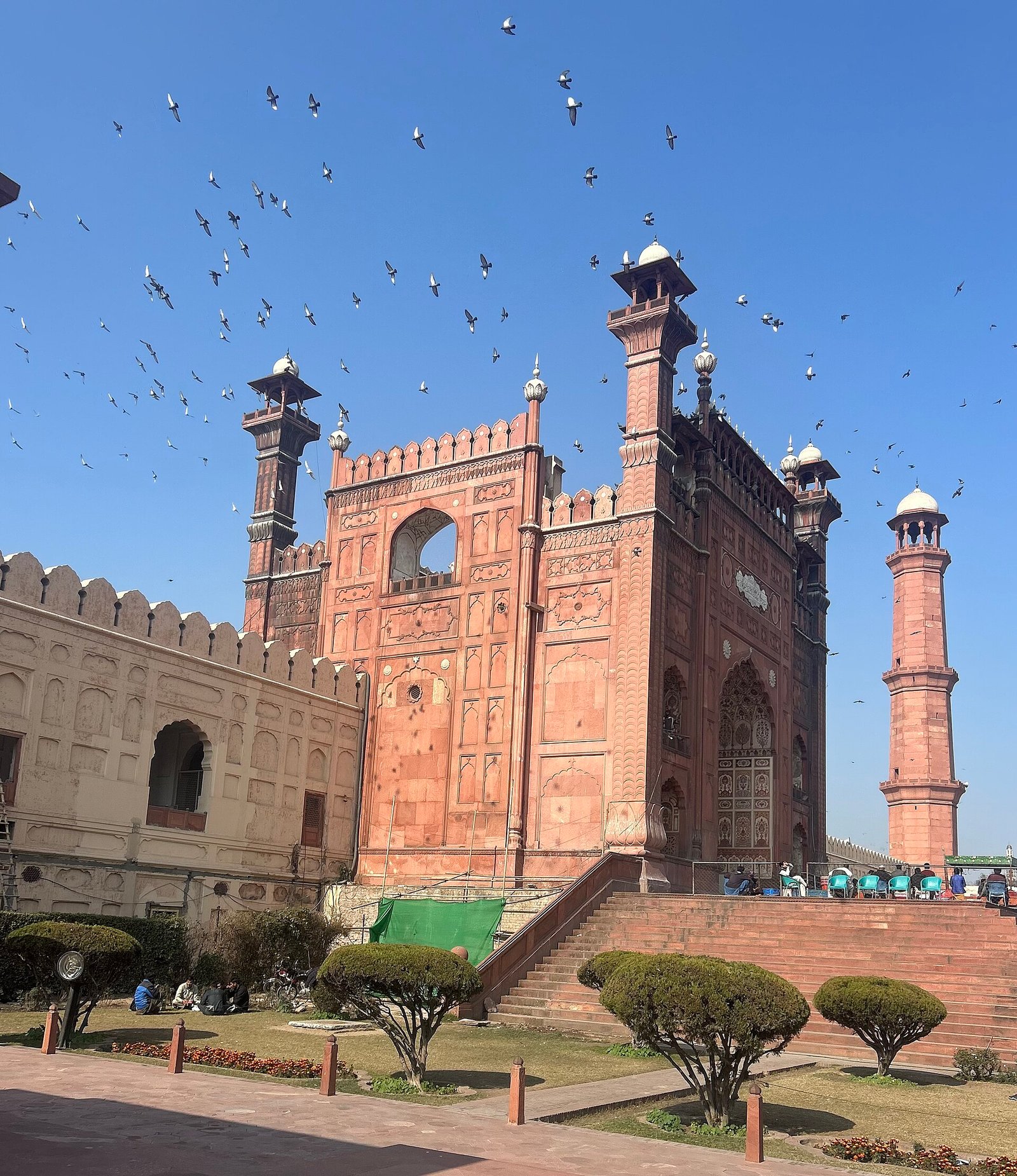
If you have three or four more days, finish your trip in Lahore, the cultural capital of Pakistan. See the Badshahi Mosque, the Lahore Fort (a UNESCO site), the painted Wazir Khan Mosque and the old walled city, and eat your way through the food streets. Many guests also watch the flag ceremony at the Wagah border. Our Lahore guide and Lahore City Tour have the details.
How to Get Around
For this route, the easiest option is a private car or 4x4 with an experienced mountain driver, plus a local guide. Public buses exist, but they are slow and do not stop at viewpoints. Fairy Meadows needs a local jeep for the final road, and Deosai is best done in a 4x4. We can arrange everything, or you can rent a car with a driver. For a full picture of roads, flights and SIM cards, read our guide to the tourism infrastructure of Pakistan.
How Much Does a 2-Week Pakistan Trip Cost?
The main costs are your international flight to Islamabad, one domestic flight to Skardu, a private vehicle and driver for about twelve days, hotels and a guide. Prices depend a lot on group size and hotel standard: two to four travellers sharing a vehicle pay far less per person than a solo traveller. Ask us for a free, all-inclusive quote for your dates. If you are dreaming of a trek instead, see our K2 base camp trek cost guide.
Before You Go
- Visa: most nationalities apply online. When you book with us, we provide your Letter of Invitation free. See our Pakistan visa guide and the official Pakistan Online Visa System.
- Safety: the northern areas on this route are among the most visited parts of the country. Read our honest guide: Is Pakistan safe?
- Packing: bring layers, as it can be hot in Islamabad and freezing at Khunjerab on the same trip. See our Pakistan packing list.
- Restricted areas: some regions need an NOC. This route does not, but read our NOC for Pakistan guide if you plan to go further.
Frequently Asked Questions
Is 2 weeks enough for Pakistan?
Two weeks is enough to see the highlights of northern Pakistan: Islamabad, Skardu, Hunza and Fairy Meadows. To add Lahore and the south, plan for three weeks.
What is the best month for this Pakistan itinerary?
June to September, when the Deosai Plains and Babusar Pass are open. In April and October you can follow a spring or autumn version of the route.
Can I travel this Pakistan itinerary independently?
Yes, many travellers do, but a private car with a local driver and guide makes the mountain roads, checkpoints and changes due to weather much easier.
Do I need permits for this route?
No special permits are needed for this route. Carry your passport and visa for police checkpoints, and pay park fees at Deosai and Khunjerab.
Should I fly or drive to Skardu and Gilgit?
Flying saves a lot of time but flights are often cancelled due to weather. Driving is slower but reliable. We recommend flying in and keeping a spare day.
Ready to plan your trip?
Tell us your dates and group size. We reply fast on WhatsApp with a clear, all-inclusive quote.
Get a Free QuoteWhatsApp +1 571 223 8737
A DTS-licensed Pakistan tour operator (DTS-GB-094) based in Gilgit, running treks, expeditions and culture tours since 2022.
