thegoldenadventure.com

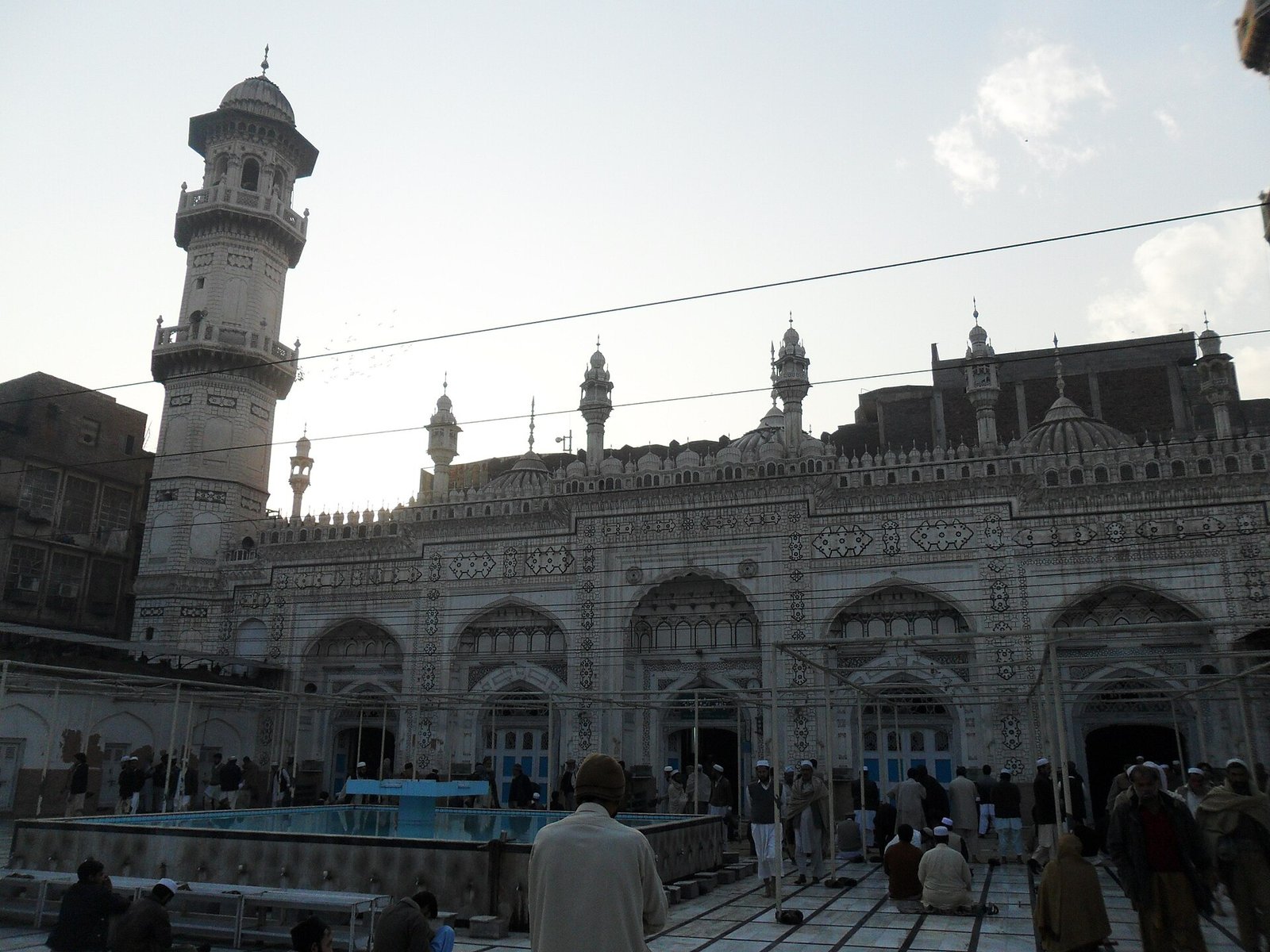
Peshawar: Mohabbat Khan Mosque in the old city
Destination guide

Peshawar: The Complete Travel Guide

Peshawar is one of the oldest continuously inhabited cities in South Asia, a frontier city of caravan bazaars, carved wooden havelis and some of the finest Gandharan Buddhist art anywhere.

Updated October 2026By The Golden Adventure team
Photo: Abdul Samad khan sherwani / Wikimedia Commons, CC BY-SA 4.0 (source)

Peshawar at a Glance

Peshawar is the capital of Khyber Pakhtunkhwa and the gateway to the Khyber Pass, with recorded history going back at least to the 6th century BC. For travellers it offers a walled old city, an outstanding Gandhara museum and legendary food, but it also carries serious travel warnings, which we explain honestly below.

LocationNorth-west Pakistan, Khyber Pakhtunkhwa, east of the Khyber Pass
AltitudeAbout 331 m
Best time to visitOctober to March; summers regularly top 40°C
Getting thereAbout 155 km from Islamabad on the M-1 motorway (around 2.5 hours by bus)
Top sightsQissa Khwani Bazaar, the Gandhara museum, Sethi House, Gor Khatri, Mahabat Khan Mosque
Known forGandharan art, Mughal and Sikh-era heritage, chapli kebab and Pashtun hospitality

Where Is Peshawar?

Peshawar lies in a broad, fertile valley in north-west Pakistan, just east of the mountains that carry the Khyber Pass towards Afghanistan. It is the largest city in Khyber Pakhtunkhwa, with about 1.9 million people in the 2023 census, and sits roughly 155 km west of Islamabad by motorway.

The historic core is the old walled city, a maze of bazaars and lanes between Qissa Khwani, Chowk Yadgar and Gor Khatri. The Cantonment and University Town to the west are newer, greener and more spread out.

History & People

Excavations at Gor Khatri show settlement here since at least the 3rd century BC, and the city was a major centre of the Gandhara world under the Kushans, when the great Kanishka stupa was built to house Buddhist relics. Later came the Mughals, who built mosques and caravanserais along the trade route to Kabul.

Ranjit Singh’s Sikh Empire took the city in 1823 and formally annexed it in 1834, after campaigns led by Hari Singh Nalwa. The British followed, and in April 1930 troops fired on unarmed protesters in Qissa Khwani Bazaar, an event remembered as a turning point in the independence movement. Today the city is overwhelmingly Pashtun, with Hindko also spoken in the old town.

The British era left its own layer: Islamia College, founded in 1913, and the Cantonment’s wide avenues. Walking from the Mughal mosque to a 19th-century haveli and the Ghanta Ghar clock tower in under an hour is part of what makes the old city so absorbing.

MUST-SEE EXPERIENCES

Top 9 Things to Do in Peshawar

Most highlights are in or near the old walled city, so one or two full days covers the essentials.

  1. 01
    History

    See the Gandhara collection at the Peshawar Museum

    Founded in 1907, the museum holds about 14,000 objects and is famous for Greco-Buddhist sculpture. A 2026 traveller report lists it as open daily except Friday, 9:00–17:00.

  2. 02
    Culture

    Walk the Qissa Khwani Bazaar

    The ‘Storytellers’ Bazaar’ was once where caravan traders swapped tales over tea. It is still a lively street of qehwa stalls, dried fruit and old shopfronts.

  3. 03
    History

    Step inside Sethi House

    Built between 1835 and 1886 by the merchant Sethi Karim Bakhsh, this haveli has carved woodwork, a sunken basement and coloured glass imported from Belgium. It has been a museum since 2010.

  4. 04
    History

    Explore Gor Khatri

    Built as a caravanserai by Shah Jahan’s daughter Jahanara Begum in 1641, the compound later held a Gorakhnath temple and the Sikh governor Avitabile’s headquarters. Archaeologists have dug down through more than 2,000 years of city life here.

  5. 05
    Culture

    Visit the Mahabat Khan Mosque

    This Mughal mosque, dated by different sources to 1630 or the 1660s, stands on the old city’s highest point. Its white marble façade and slender minarets are among the city’s most iconic sights.

  6. 06
    Food

    Eat at Namak Mandi

    The food street behind Qissa Khwani is known for mutton karahi, chapli kebab, barbecue, paye and pulao. Go hungry and share several dishes.

  7. 07
    History

    Follow the Cultural Heritage Trail

    A restored 500 m stretch runs from Ghanta Ghar through Bazaar-e-Kalan and Mohalla Sethian to Gor Khatri, with around 85 Mughal, Sikh and British-era buildings restored.

  8. 08
    History

    View the Bala Hisar Fort

    The massive fort on its mound was a winter residence of Afghan kings and was rebuilt by the Sikhs. It is generally closed to the public, so admire it from outside.

  9. 09
    Culture

    Drink qehwa at Chowk Yadgar

    The square at the heart of the old city is a good place to pause with green tea and watch the bazaar life swirl around you.

Best Time to Visit Peshawar

The city has a hot semi-arid climate. Summer runs from mid-May to mid-September, with average highs above 40°C in the hottest month, which makes long bazaar walks exhausting. Winter, from November to late March, is mild to cool, so October to March is the most comfortable window.

During Ramadan many restaurants close in daytime and opening hours change. Check the dates for your year before you plan food-focused days.

How to Get to Peshawar

FromHowTime
Islamabad / RawalpindiPrivate car on the M-1 motorway (about 155 km)About 2–2.5 hours
IslamabadIntercity bus (e.g. Daewoo)About 2.5 hours
Abroad / other citiesFlights to Bacha Khan International AirportVaries
Takht-i-Bahi / MardanBy roadAbout 65 km; usually a day trip

Most foreign visitors come from Islamabad, either as a long day trip or with one night in the city.

Getting Around the City

The BRT rapid bus line, opened in 2020, crosses the city east to west, and ride-hailing apps such as InDriver work. In the old city you will walk: lanes are narrow and traffic is slow. In practice, foreign visitors on organised trips use a private vehicle and a local guide, and police may accompany you (see below).

Where to Stay in the City

Most international-standard hotels are in the Cantonment and University Town, away from the crowded old city. Hotels generally inform the police when a foreigner checks in, and some smaller hotels do not accept foreign guests at all, so book in advance. Many travellers avoid an overnight stay and visit as a day trip from Islamabad.

Suggested City Itineraries

One day from Islamabad

Leave early, spend the morning at the museum, walk the heritage trail from Ghanta Ghar to Gor Khatri via Sethi House, lunch at Namak Mandi, then Qissa Khwani and Mahabat Khan Mosque before driving back.

Half-day food walk

Start with qehwa at Chowk Yadgar, browse dried fruit and nuts in Qissa Khwani, then finish with an early dinner of karahi and chapli kebab at Namak Mandi. Go with a guide who knows which family-run places are busy and fresh that day.

Two days with Gandhara

Day 1 as above at a gentler pace. Day 2 drive to the UNESCO-listed Takht-i-Bahi monastery near Mardan, returning via Islamabad or continuing to Taxila.

What to Pack for the Frontier City

  • Loose, modest clothing covering arms and legs; women should carry a scarf for mosques and bazaars.
  • Comfortable closed shoes for uneven old-city lanes.
  • Sun hat and water bottle in the warmer months.
  • Small rupee notes for entry fees, tea and snacks.
  • Copies of your passport and visa for checkpoints and hotels.

Combine Your Visit with Nearby Destinations

The city pairs naturally with the Gandhara sites: Takht-i-Bahi to the north-east and Taxila near Islamabad. If food is your passion, read our guide to Pakistani food before you go, then compare the local chapli kebab with Lahore’s street food.

Culture & Etiquette

Pashtun culture places huge value on hospitality, and you may be offered tea in shops. Accept graciously, but keep a respectful distance with women and always ask before taking photos of people. Remove shoes before entering mosques, avoid visiting during Friday prayers, and dress conservatively throughout the old city.

Practical Travel Tips and Safety

Travel advisories: please read this

The UK FCDO advises against all travel to Peshawar district, and against all travel within 10 miles of the Afghan border, which includes the Khyber Pass. The US State Department says do not travel to Khyber Pakhtunkhwa for any reason, citing terrorism and kidnapping. Travelling against this advice can invalidate insurance and limits the help your embassy can give.

Some foreigners still visit, usually as a short, planned trip with a licensed operator. Expect police to register your visit and sometimes escort you, free of charge. We do not arrange trips to the Khyber Pass.

Money, fees and connectivity

Recent traveller reports give PKR 500 for foreigners at the museum, Sethi House and Gor Khatri, plus PKR 500 for photography; fees can change. Carry cash, and buy a local SIM in Islamabad first. Our Is Pakistan safe? guide covers the bigger picture.

PESHAWAR TRAVEL

Peshawar Highlights at a Glance

For history lovers, few places in Pakistan match the frontier city’s layers: Kushan Buddhism, Mughal caravanserais, Sikh forts and British-era bazaars.

Visit with clear eyes about the advisories, a planned route and a trusted guide, and focus on the old city, the museum and the food.

For a short visual history of the old city’s restoration, see this APP report on Mohalla Sethian.

Plan your Peshawar trip

Peshawar Tours with The Golden Adventure

Our Peshawar City Tour covers the museum, heritage trail and bazaars with a local guide. For the wider Buddhist story, the Gandhara Buddhist Heritage Tour links the city with Takht-i-Bahi and Taxila, and our culture tours combine it with Lahore and Islamabad.

Plan your Peshawar trip

Tell us your dates and interests and our team in Gilgit will design a private trip and send your free Letter of Invitation.

Peshawar FAQs

Is it safe for foreigners to visit Peshawar?

The UK FCDO advises against all travel to Peshawar district, and the US State Department advises against all travel to Khyber Pakhtunkhwa. Some foreigners do visit on short, planned trips, often with police registration or escort. Read the advisories yourself and check your insurance before deciding.

Can I visit as a day trip from Islamabad?

Yes. The city is about 155 km away on the M-1 motorway, roughly 2–2.5 hours by car, so a long day trip is realistic if you start early.

What is the best time of year to go?

October to March. Summers are very hot, with average highs above 40°C in the hottest month.

What are the museum’s opening hours?

A May 2026 traveller report lists daily except Friday, 9:00–17:00, with a PKR 500 foreigner ticket and PKR 500 photography fee. Confirm locally, as hours and fees change.

Can I visit the Khyber Pass?

We do not recommend it. The UK FCDO advises against all travel within 10 miles of the Afghan border, and access normally needs special permission.

What food should I try?

Chapli kebab, mutton karahi, pulao and qehwa green tea. Namak Mandi, behind Qissa Khwani Bazaar, is the best-known food street.

Do I need a guide in the old city?

It is strongly recommended. A local guide makes the lanes easier to navigate, explains the history and helps with police procedures.

TGA AI AssistantOnline · usually replies in seconds
AI can make mistakes. Please don't share personal, passport or card details.