
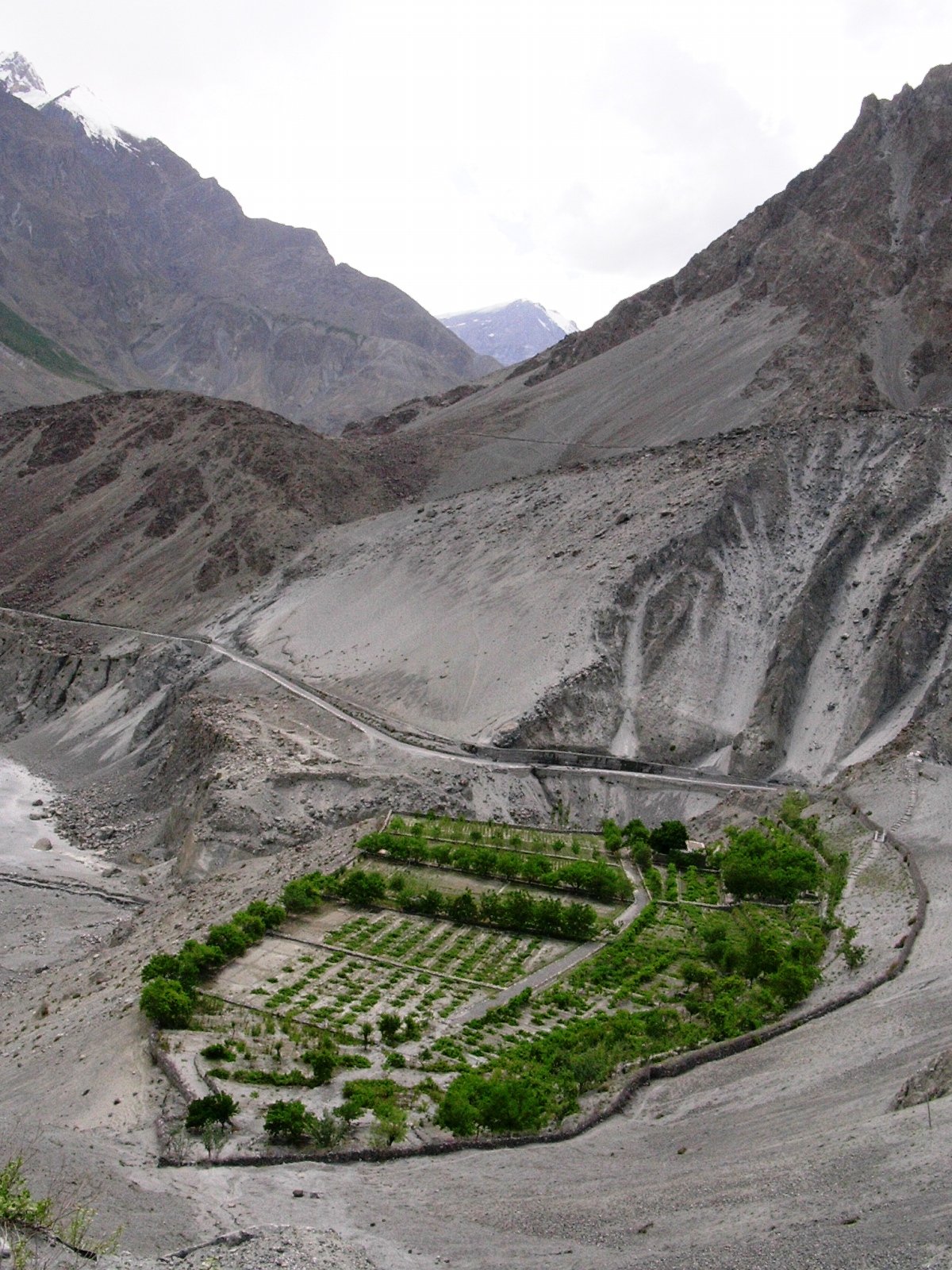
How to Get to Skardu
The gateway to K2, Deosai and the Baltoro is reached by one of the most spectacular flights on earth, or by two unforgettable days on the road.
There are two main ways to answer the question of how to get to Skardu: a one-hour flight from Islamabad, or a long and beautiful road journey of about two days along the Karakoram Highway and the Indus gorge. Flights are fast but often cancelled by weather. The road is slow but almost always gets you there.
Skardu is the main town of Baltistan and the starting point for the K2 Base Camp trek, the Deosai Plains, the Shigar and Khaplu valleys and lakes like Kachura and Satpara. Our team in Gilgit-Baltistan organises transfers to Skardu every week of the season, so here is our honest advice on each option.
Quick Comparison: How to Get to Skardu
| Option | Time from Islamabad | Reliability | Best for |
|---|---|---|---|
| Domestic flight | About 1 hour | Weather-dependent | Short trips, trekkers with tight dates |
| Private car via Karakoram Highway | About 2 days | High, all year with care | Most travellers, sightseeing on the way |
| Private car via Babusar Pass | About 2 days | Summer only | June–September road trips via Naran |
| Public coach | About 20–24 hours | Medium | Budget travellers |
Flying to Skardu
The quickest way to get to Skardu is the flight from Islamabad, which takes about an hour. On a clear day you fly alongside Nanga Parbat and over the Karakoram, and many travellers call it the most beautiful flight of their life. There are also some flights from Lahore and Karachi, and Skardu Airport has been upgraded to handle international flights, so check current schedules when you book.
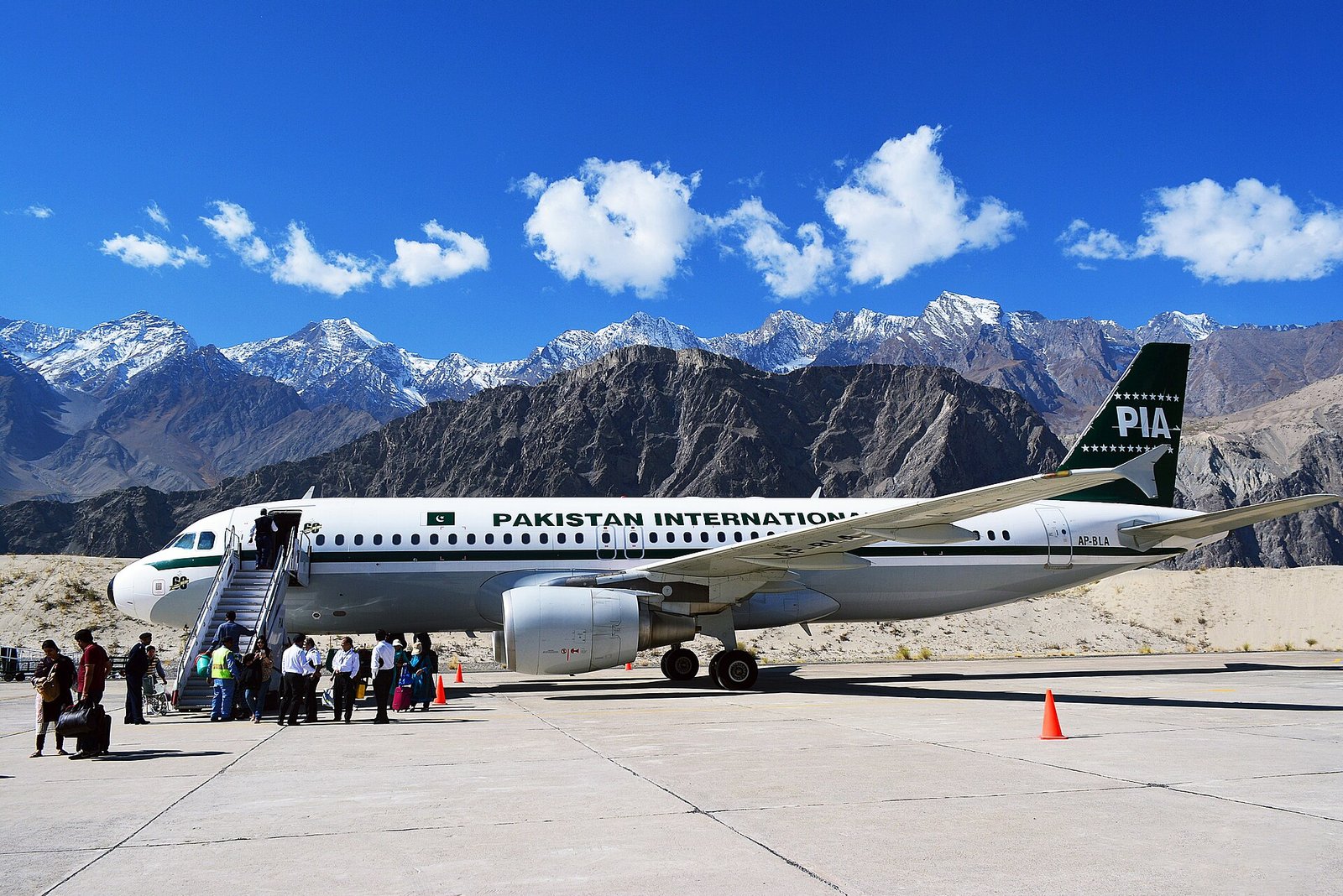
The catch: weather cancellations
Skardu flights fly by sight through the mountains. If there is cloud or rain along the route, flights are delayed or cancelled, sometimes for several days in a row. This is the most important thing to know when planning a trip:
- Keep at least one or two spare days at the end of your trip, especially if you are trekking to K2.
- Book a flexible ticket where possible.
- Have a road back-up plan. With a local operator, a car and driver can usually be arranged the same day if your flight is cancelled.
- Morning flights are generally more reliable than afternoon flights.
Fares change with season and demand, so book early for July and August, when trekkers and domestic tourists fill the planes.
Driving to Skardu via the Karakoram Highway
The most reliable way to get to Skardu by road is the Karakoram Highway (KKH) from Islamabad through Abbottabad, Besham and Dasu to Chilas, then on to the junction near Jaglot and Alam Bridge, where the Skardu road turns east along the Indus. The total distance is roughly 650–700 km and most people take two days, with an overnight stop in Besham, Dasu or Chilas.
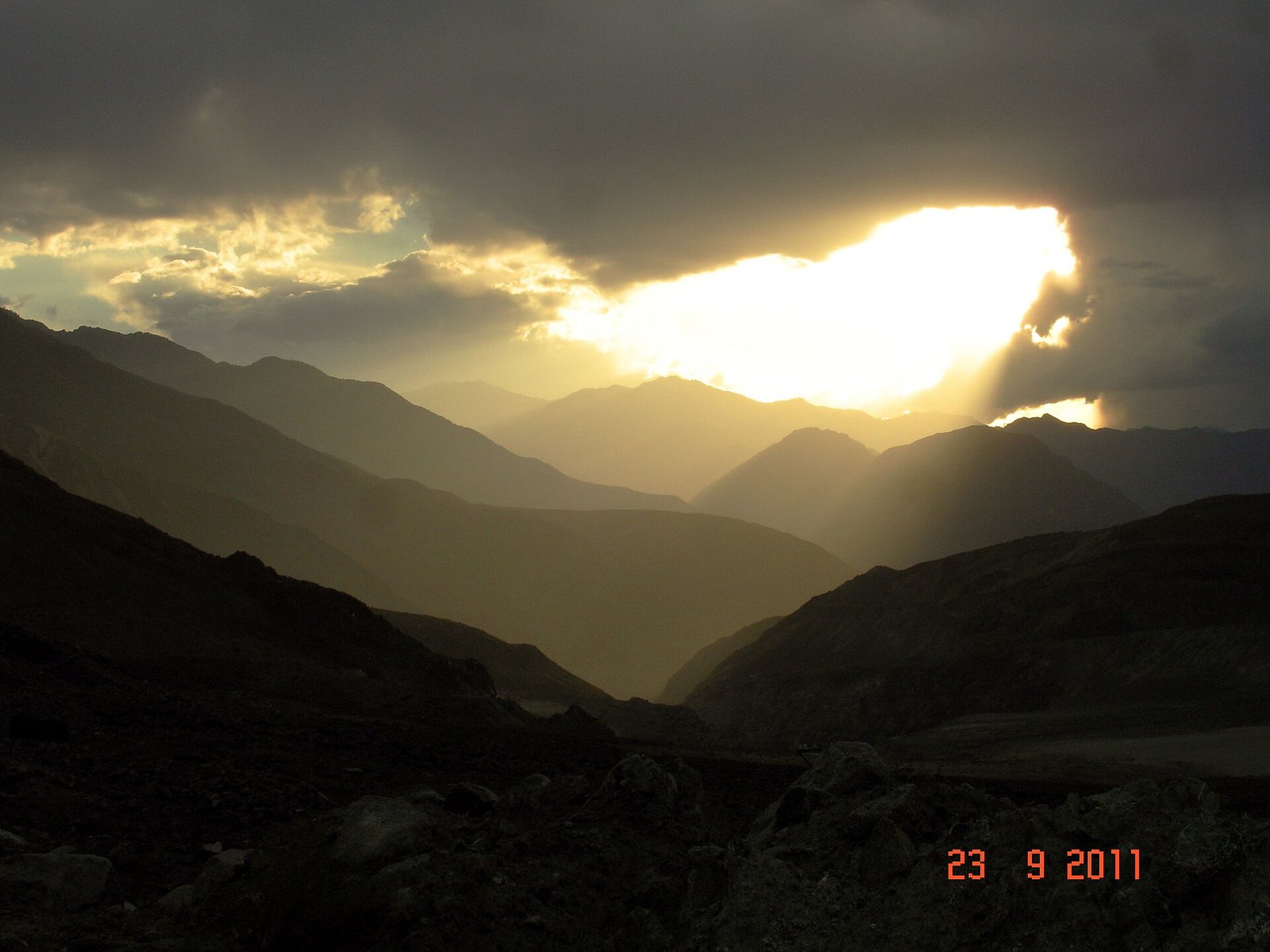
The last section, the Skardu road (S-1) along the Indus gorge, was rebuilt in recent years and is now far smoother than it used to be. It is still a mountain road with steep drops, rockfall in places and slow traffic, so an experienced local driver makes a big difference. Read our guide to the Karakoram Highway road trip for stops along the way.
The Babusar Pass Route (Summer Only)
From about June to September, you can drive from Islamabad via the Hazara Motorway, the Kaghan Valley and the Babusar Pass (about 4,170 m) down to Chilas, then continue to Skardu. It is a similar travel time to the KKH, with a night in Naran or Chilas, but the scenery is greener and you can visit Lake Saiful Muluk on the way. Babusar is closed by snow for much of the year, so outside summer the KKH is the only option.
From Gilgit or Hunza to Skardu
If you are already in the north, getting to Skardu is easy. From Gilgit, the drive takes about four to six hours along the Gilgit River and the Indus. From Hunza (Karimabad), add another two to three hours. This makes it simple to combine Hunza and Skardu in one trip, as we do in our 2-week Pakistan itinerary.
Taking the Bus to Skardu
Several coach companies run daily services from Rawalpindi and Islamabad to Skardu, as does the government-run NATCO. The journey takes roughly 20–24 hours with short stops, and some services run overnight. Buses are the cheapest way to get to Skardu, but they are tiring, you will miss the scenery at night, and police checkpoints can take longer for foreign passengers. Carry copies of your passport and visa.
Hiring a Private Car and Driver
For most foreign travellers, a private car or 4x4 with a local driver is the best balance of comfort, safety and flexibility. You can stop for photos, choose where to sleep and change plans if a road closes. It also makes police checkpoints much smoother, because local drivers know the routine. You can rent a car with a driver through us for a one-way transfer or a full trip.
Tips for the Journey to Skardu
- Carry passport copies. You will pass several police checkpoints where foreigners register.
- Start early. Mountain roads are best driven in daylight.
- Expect delays. Landslides and roadworks can stop traffic for a few hours, especially after rain.
- Bring snacks and water. Roadside restaurants are simple and far apart in places.
- Get a local SIM. Coverage is patchy in the gorges, so download offline maps before you go.
- Check official advice for the KKH and read our guide: Is Pakistan safe?
Best Time to Travel to Skardu
The time of year changes how you should get to Skardu. From June to September, every route is open, flights are most frequent and the Deosai Plains and Babusar Pass are accessible. This is also peak season, so flights and good hotels sell out early, especially in July and August.
In April, May and October, the weather is cooler and flights are a little more likely to be cancelled by cloud, but the roads via the Karakoram Highway are open and Skardu is quieter. Autumn colours in Shigar and Khaplu in late October are beautiful. In winter (November to March), Skardu is cold and snowy, Deosai and Babusar are closed and flights are frequently disrupted, but the KKH route usually stays open. If you are visiting in winter, plan extra buffer days and travel with a local driver who knows winter conditions. See our guide to the best time to visit Pakistan.
Approximate Travel Times to Skardu
| From | By air | By road |
|---|---|---|
| Islamabad / Rawalpindi | About 1 hour | About 2 days (18–22 hours driving) |
| Lahore | Limited direct flights | About 2–3 days |
| Gilgit | No regular flights | About 4–6 hours |
| Hunza (Karimabad) | No flights | About 7–8 hours |
| Fairy Meadows (Raikot Bridge) | No flights | About 5–6 hours |
Times are for a private car in good conditions and do not include long stops, landslides or roadworks. Always add a buffer for mountain travel.
What to Do Once You Arrive
Skardu is a base for some of the best experiences in Pakistan: the Deosai Plains, Shigar Fort, the Cold Desert, Upper Kachura Lake and the start of the K2 Base Camp Trek. If you are planning a trek, read our K2 base camp trek cost guide. Our full Skardu travel guide lists the highlights, and the Wikipedia page on Skardu has more background on its history.
Frequently Asked Questions
How long does it take to get to Skardu from Islamabad?
About one hour by plane, or about two days by road via the Karakoram Highway or, in summer, the Babusar Pass.
Are flights to Skardu often cancelled?
Yes. Flights depend on clear weather through the mountains and can be cancelled for one or more days. Always keep spare days in your plan.
Is the road to Skardu safe?
The road is a mountain route with steep drops, but it has been rebuilt in recent years. With an experienced local driver and daylight travel, it is used safely by many travellers.
Can foreigners take the bus to Skardu?
Yes. Daily coaches run from Rawalpindi and Islamabad. The trip takes about 20–24 hours, and foreigners register at police checkpoints along the way.
How far is Skardu from Gilgit?
The drive from Gilgit to Skardu usually takes about four to six hours.
Ready to plan your trip?
Tell us your dates and group size. We reply fast on WhatsApp with a clear, all-inclusive quote.
Get a Free QuoteWhatsApp +1 571 223 8737
A DTS-licensed Pakistan tour operator (DTS-GB-094) based in Gilgit, running treks, expeditions and culture tours since 2022.
